Explore cardiovascular disease trends in the UK. Learn about causes, prevention, and actionable strategies to maintain a healthy heart. Stay informed and proactive!
A Growing Concern in the UK
Cardiovascular disease (CVD) remains a leading cause of death and disability in the UK. According to the British Heart Foundation, nearly 7.6 million people in the UK live with CVD, a statistic that underscores the urgent need for awareness and preventative strategies.
This article delves into the current trends in cardiovascular disease in the UK, explores contributing factors, and highlights actionable steps to reduce its impact.
What is Cardiovascular Disease (CVD)?
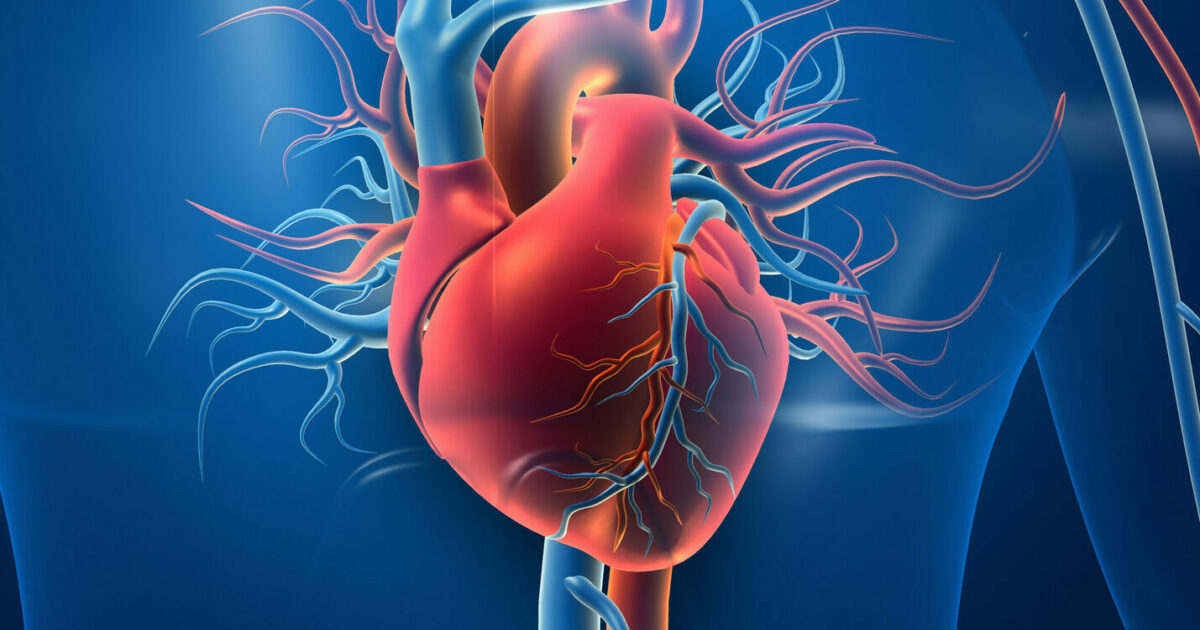
CVD refers to a group of disorders affecting the heart and blood vessels, including:
- Coronary heart disease (CHD).
- Stroke.
- Heart failure.
- Peripheral arterial disease (PAD).
Understanding these conditions is critical for addressing the broader health challenges associated with CVD.
Current Trends in Cardiovascular Disease in the UK
1. Prevalence and Mortality Rates
- Statistics: CVD accounts for approximately 25% of all deaths in the UK.
- Age Groups: While traditionally associated with older adults, younger individuals are increasingly affected due to lifestyle factors.
2. Gender Disparities
- Men are more likely to develop coronary heart disease at an earlier age.
- Women often experience different symptoms, leading to delays in diagnosis and treatment.
3. Geographic Variation
- Higher rates of CVD are reported in deprived areas, indicating a strong link between socioeconomic status and heart health.
4. Impact of Lifestyle
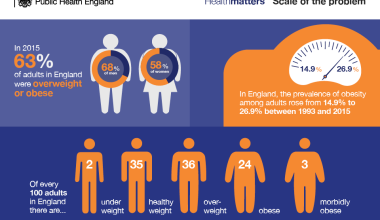
- Rising obesity rates and sedentary lifestyles are driving up CVD cases.
- Unhealthy diets, stress, and smoking remain significant risk factors.
Contributing Factors to CVD Trends in the UK
1. Unhealthy Diets
High consumption of saturated fats, salt, and sugar contributes to conditions like hypertension and high cholesterol. For healthier dietary choices, consider insights from The Powerful Connection Between Gut Health and Mental Well-Being.
2. Sedentary Lifestyles
The rise of desk jobs and digital entertainment has significantly reduced physical activity levels. Adopting regular exercise routines can help counteract these effects, as highlighted in Top 5 Fitness Trends: What’s Worth Trying?.
3. Mental Health and Stress
Chronic stress and mental health issues like anxiety are linked to increased CVD risk. Managing stress effectively is crucial, as outlined in 10 Signs You Might Be Suffering from Burnout and How to Recover.
4. Smoking and Alcohol Consumption
Smoking damages blood vessels and increases blood pressure, while excessive alcohol intake contributes to irregular heart rhythms and obesity.
5. Lack of Preventative Healthcare
Individuals unaware of their risk factors often miss opportunities for early intervention. Registering with a GP can provide access to regular health check-ups, as discussed in How to Register with a GP in the UK: A Complete Guide for New Patients.
Preventative Measures to Combat CVD
1. Adopt a Heart-Healthy Diet
- Increase consumption of fruits, vegetables, and whole grains.
- Limit red meat and processed foods.
- Incorporate omega-3 fatty acids, found in oily fish, to reduce inflammation.
2. Stay Physically Active
Engage in at least 150 minutes of moderate-intensity exercise weekly. Activities like brisk walking, swimming, and cycling are excellent for cardiovascular health.
3. Prioritize Mental Health
Effective stress management can lower CVD risk. Consider mindfulness techniques and other practices outlined in Top 10 Daily Habits to Improve Your Mental Health.
4. Quit Smoking
Numerous free NHS resources are available to help individuals quit smoking, significantly improving heart health.
5. Regular Health Screenings
Routine check-ups for blood pressure, cholesterol, and blood sugar levels can detect early warning signs of CVD.
Emerging Trends in Cardiovascular Healthcare
1. Advances in Medical Technology
- Wearable devices like fitness trackers and smartwatches monitor heart health in real-time.
- AI-driven tools are improving diagnostics and personalized treatments.
2. Community Health Programs
Local initiatives aim to educate and support individuals in adopting heart-healthy habits.
3. Telehealth Services
The rise of telemedicine has improved access to healthcare, enabling timely interventions.
CVD and Winter Health
Winter months often exacerbate CVD symptoms due to cold temperatures and reduced physical activity. Learn how to stay active and healthy during colder months with Winter Health Tips for UK Residents: Stay Warm, Healthy, and Happy This Season.
The Connection Between Mental and Cardiovascular Health
The mind and heart are closely linked, with chronic stress and anxiety contributing to conditions like hypertension. Recognizing this connection and seeking support, such as through UK Helplines for Mental Health Support, can significantly reduce CVD risks.
FAQs About Cardiovascular Disease in the UK
What Are the Early Warning Signs of CVD?
- Chest pain or discomfort.
- Shortness of breath.
- Fatigue or irregular heartbeat.
Who is Most at Risk of Developing CVD?
Individuals with a family history, unhealthy lifestyles, or pre-existing conditions like diabetes and high blood pressure are at higher risk.
Can Lifestyle Changes Alone Prevent CVD?
While lifestyle changes significantly reduce risk, regular check-ups and, if necessary, medications may also be required for effective management.
Shaping a Heart-Healthy Future
Understanding cardiovascular disease trends in the UK is vital for addressing its impact. By adopting a proactive approach—focusing on diet, exercise, mental health, and regular screenings—you can reduce your risk and contribute to reversing the rising tide of CVD.
Remember, small, consistent lifestyle changes lead to long-term benefits. Prioritize your heart health today and take the first step toward a healthier, longer life.