Burnout has become a silent epidemic in today’s fast-paced world, affecting individuals across all professions and lifestyles. It’s more than just feeling tired. it’s a state of emotional, physical, and mental exhaustion caused by prolonged stress. Recognizing the symptoms early is crucial to avoiding long-term health issues.
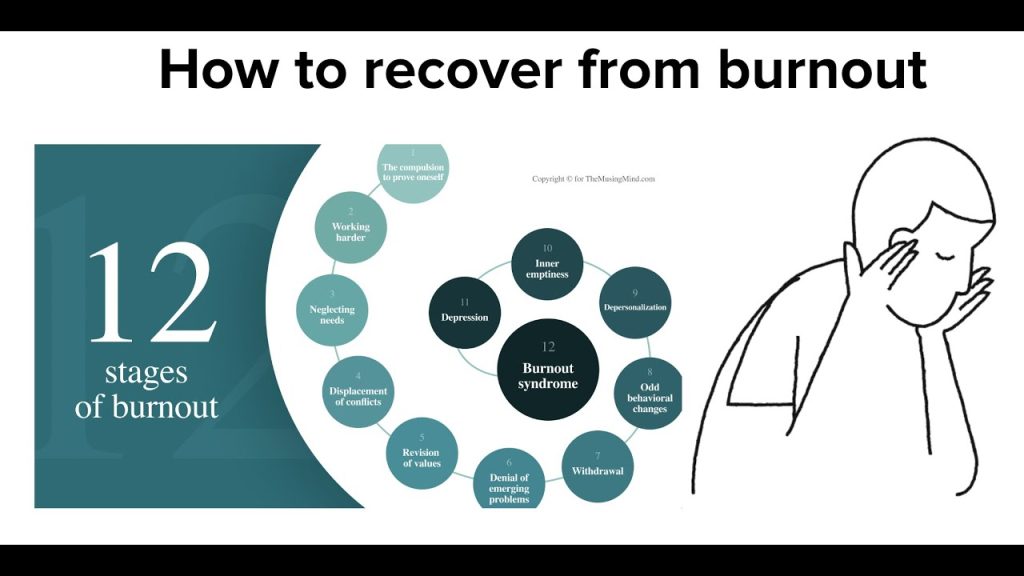
In this guide, we’ll outline the key signs of burnout, explain how it affects your overall health, and provide actionable tips to help you recover and regain balance.
What Is Burnout?
Burnout is a state of chronic stress that often leads to physical and emotional exhaustion, cynicism, and a decreased sense of accomplishment. It is commonly seen in individuals who face constant pressure at work or in their personal lives.
- Common Causes:
- Overworking or lack of boundaries.
- Neglecting self-care.
- High expectations from oneself or others.
- A lack of support system.
Burnout isn’t just about feeling “tired.” It can significantly impact your physical and mental health if left unaddressed.
10 Signs You Might Be Suffering from Burnout
1. Chronic Fatigue
You feel drained even after a full night’s sleep, and no amount of rest seems to help. This persistent tiredness can affect your ability to concentrate and perform daily tasks.
Tip: Incorporate a balanced routine with adequate sleep and regular exercise. If fitness feels overwhelming, explore low-intensity options in Top 5 Fitness Trends: What’s Worth Trying?.
2. Increased Irritability
You find yourself snapping at loved ones or feeling frustrated over minor inconveniences. This can be a sign of emotional exhaustion.
Action Step: Practice mindfulness to regulate emotions. Top 10 Daily Habits to Improve Your Mental Health offers practical strategies for cultivating calm and balance.
3. Difficulty Sleeping (Insomnia)
Burnout often disrupts your sleep cycle, leading to trouble falling or staying asleep. This can exacerbate fatigue and other symptoms.
Solution: Identify possible underlying conditions. Read Unveiling the Silent Culprits: Health Conditions Behind Insomnia in the UK to explore factors that might be affecting your sleep.
4. Reduced Productivity
Tasks that once seemed simple now feel overwhelming. You may struggle to focus, miss deadlines, or feel unmotivated to start new projects.
Tip: Break tasks into smaller, manageable steps. Building momentum can help reignite your drive.
5. Physical Symptoms (Headaches, Stomach Issues, etc.)
Burnout can manifest as physical discomfort, including headaches, digestive problems, and muscle tension.
Actionable Advice: Address your diet. A healthy gut can significantly impact your mental health. Learn more in The Powerful Connection Between Gut Health and Mental Well-Being.
6. Loss of Interest or Enjoyment
Activities you once loved no longer bring you joy, a symptom often linked to emotional exhaustion and disengagement.
Recovery Tip: Incorporate hobbies or explore hybrid fitness classes for variety. Find ideas in Top 5 Fitness Trends: What’s Worth Trying?.
7. Frequent Illness
Chronic stress weakens your immune system, making you more susceptible to colds, flu, and other illnesses.
What to Do: Focus on anti-inflammatory foods and supplements like Serrapeptase to reduce stress-related inflammation. Learn more in Exploring the Benefits of Good Health Naturally Serrapeptase.
8. Feeling Detached or Cynical
You might feel indifferent towards your work, relationships, or responsibilities, often accompanied by a sense of hopelessness.
Tip: Rebuild connections with loved ones. Creating a support system can ease feelings of isolation.
9. Weight Changes
Stress-induced burnout can lead to overeating or loss of appetite, resulting in noticeable weight fluctuations.
Pro Tip: Manage weight changes with structured approaches. Check out Slimming Down Made Simple: 10 Magic Ways to Lose Weight for actionable weight management tips.
10. Persistent Self-Doubt
You constantly question your abilities or worth, leading to a lack of confidence and low self-esteem.
What to Do: Celebrate small wins daily to rebuild self-confidence. Align this with gratitude practices for a positive mental shift.
How to Recover from Burnout
Recognizing the signs is just the first step. Here are actionable tips to help you recover:
1. Set Boundaries
- Learn to say “no” to tasks that overwhelm you.
- Schedule downtime in your calendar, just as you would for work meetings.
2. Prioritize Self-Care
- Adopt habits like journaling, meditating, or exercising.
- Follow practical tips from Top 10 Daily Habits to Improve Your Mental Health.
3. Seek Professional Help
- Consult a therapist or counsellor to navigate emotional challenges.
- If symptoms persist, discuss them with your healthcare provider for tailored advice.
4. Fuel Your Body
- Eat a nutrient-dense diet rich in whole foods. Learn how nutrition impacts overall development in Nurturing Minds and Bodies: The Impact of Nutrition on Child Development in the UK.
5. Practice Stress Management
- Engage in activities like yoga or tai chi.
- Reduce stress naturally with techniques covered in The Powerful Connection Between Gut Health and Mental Well-Being.
Preventing Burnout in the Future
- Maintain Work-Life Balance: Schedule regular breaks to recharge.
- Stay Active: Incorporate fitness trends like virtual workouts or wearable tech. Check out Top 5 Fitness Trends: What’s Worth Trying? for inspiration.
- Build a Support Network: Surround yourself with people who uplift and support you.
Burnout is more than just exhaustion—it’s a serious condition that requires attention and care. By recognizing the signs early and implementing recovery strategies, you can regain control of your mental, emotional, and physical well-being.
If this guide helped you, share it with friends or colleagues who may also benefit. For more tips on improving mental health and overall wellness, explore our related articles linked throughout this post!