Explore the rising cases of obesity in the UK, including causes, impacts, and actionable solutions to tackle this growing epidemic. Take steps toward a healthier lifestyle today!

The Growing Epidemic of Obesity in the UK
Obesity has become one of the most pressing public health challenges in the UK. According to NHS statistics, nearly 28% of adults in the UK are classified as obese, with another 36% considered overweight. The rising prevalence of obesity has significant health, economic, and societal implications, contributing to chronic conditions like Type 2 diabetes, cardiovascular disease, and mental health issues.
This article explores the key causes behind the obesity epidemic in the UK and offers actionable solutions to tackle this growing crisis.
Understanding Obesity: Definitions and Impacts
1. What is Obesity?
Obesity is defined as an excessive accumulation of body fat that poses a risk to health. It is typically measured using the Body Mass Index (BMI):
- Overweight: BMI between 25-29.9
- Obese: BMI of 30 or higher
2. Health Implications of Obesity
Obesity is a leading risk factor for numerous health problems, including:
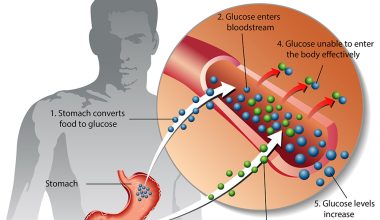
- Type 2 Diabetes: Strongly linked to weight gain. Learn prevention strategies in How to Prevent Type 2 Diabetes in the UK.
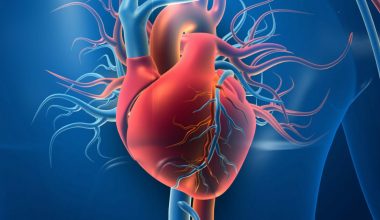
- Cardiovascular Disease: Obesity contributes to high blood pressure and cholesterol, as discussed in Understanding Cardiovascular Disease Trends in the UK.
- Mental Health Issues: Depression, anxiety, and low self-esteem are commonly associated with obesity.
Causes of Rising Obesity Rates in the UK
1. Poor Dietary Habits
- Increased Consumption of Processed Foods: Diets high in sugar, unhealthy fats, and calories are a major driver of weight gain.
- Overeating and Portion Sizes: Larger portions have become the norm, leading to excess calorie intake.
2. Sedentary Lifestyles
With technological advancements, physical activity levels have declined:
- Increased screen time due to work-from-home trends.
- Fewer people engaging in regular exercise routines.
For inspiration on staying active, explore Top 5 Fitness Trends: What’s Worth Trying?.
3. Socioeconomic Factors
- Limited Access to Healthy Foods: Individuals in low-income areas often face “food deserts,” where affordable, nutritious options are scarce.
- Stress and Overwork: Stress contributes to emotional eating and unhealthy lifestyle choices.
4. Marketing and Availability of Unhealthy Foods
Aggressive advertising of sugary drinks and fast food disproportionately targets children and adolescents.
5. Genetic and Biological Factors
While lifestyle choices are significant, genetics and hormonal imbalances can predispose individuals to obesity.
Societal and Economic Costs of Obesity in the UK
1. Healthcare Costs
Obesity-related conditions account for billions in annual NHS spending, straining public resources.
2. Workplace Productivity
Obesity contributes to absenteeism and reduced productivity, impacting the broader economy.
3. Mental Health Impact
The stigma surrounding obesity often exacerbates mental health issues, further diminishing quality of life.
Solutions to Combat Obesity in the UK
1. Encourage Healthier Eating Habits
- Increase Public Awareness: Campaigns like “Change4Life” promote balanced diets and healthy choices.
- Taxation on Sugary Drinks: Implementing policies like the UK Sugar Tax has shown promise in reducing sugar consumption.
2. Promote Regular Physical Activity
- Community Initiatives: Local councils can invest in parks, gyms, and walking trails to encourage movement.
- Workplace Wellness Programs: Offering fitness incentives and gym memberships can help employees stay active.
3. Improve Food Accessibility
- Subsidize Healthy Foods: Making fruits, vegetables, and whole grains more affordable can encourage healthier eating.
- Expand Food Education: Teaching children and families how to prepare nutritious meals.
4. Mental Health Support
- Address Emotional Eating: Providing counseling for stress and mental health conditions linked to overeating.
- Encourage Body Positivity: Focus on health rather than appearance to reduce stigma.
Learn more about accessible resources in Free Mental Health Resources in the UK.
The Role of Technology in Tackling Obesity
1. Fitness Apps and Wearables
Tools like Fitbit and MyFitnessPal help individuals track calories, set fitness goals, and monitor progress.
2. Telehealth for Nutritional Counseling
Virtual consultations with dietitians provide personalized guidance for weight management.
3. Online Fitness Programs
Digital platforms offer flexible, engaging exercise options for people of all fitness levels.
Government and Policy Interventions
1. School-Based Programs
- Mandating physical education classes and healthy school meals.
- Restricting junk food advertisements targeting children.
2. Workplace Policies
Encouraging employers to provide healthy snacks and fitness breaks.
3. Public Health Campaigns
Highlighting the dangers of obesity and promoting healthy lifestyle changes.
Winter and Obesity: Seasonal Challenges
The colder months often lead to reduced physical activity and increased consumption of comfort foods. To stay on track, consider tips from Winter Health Tips for UK Residents: Stay Warm, Healthy, and Happy This Season.
FAQs About Obesity in the UK
What is the Primary Cause of Obesity in the UK?
Unhealthy diets and sedentary lifestyles are the leading contributors, although socioeconomic factors also play a significant role.
Can Obesity Be Reversed?
Yes, through consistent lifestyle changes, including a healthy diet, regular exercise, and mental health support.
What is the Role of Genetics in Obesity?
While genetics can influence weight, lifestyle choices remain the most significant factor in preventing and managing obesity.
Combating Obesity for a Healthier UK
The rising cases of obesity in the UK highlight the urgent need for a multifaceted approach that combines personal responsibility with societal support. By adopting healthier eating habits, staying physically active, and utilizing available resources, individuals can significantly reduce their risk of obesity-related health complications.
Addressing obesity requires collaboration between individuals, communities, and policymakers. Together, we can pave the way for a healthier, more active future for the UK.