Embarking on a weight loss journey can feel overwhelming, especially for beginners. With so much conflicting information about what works best, finding a sustainable and effective approach is crucial.
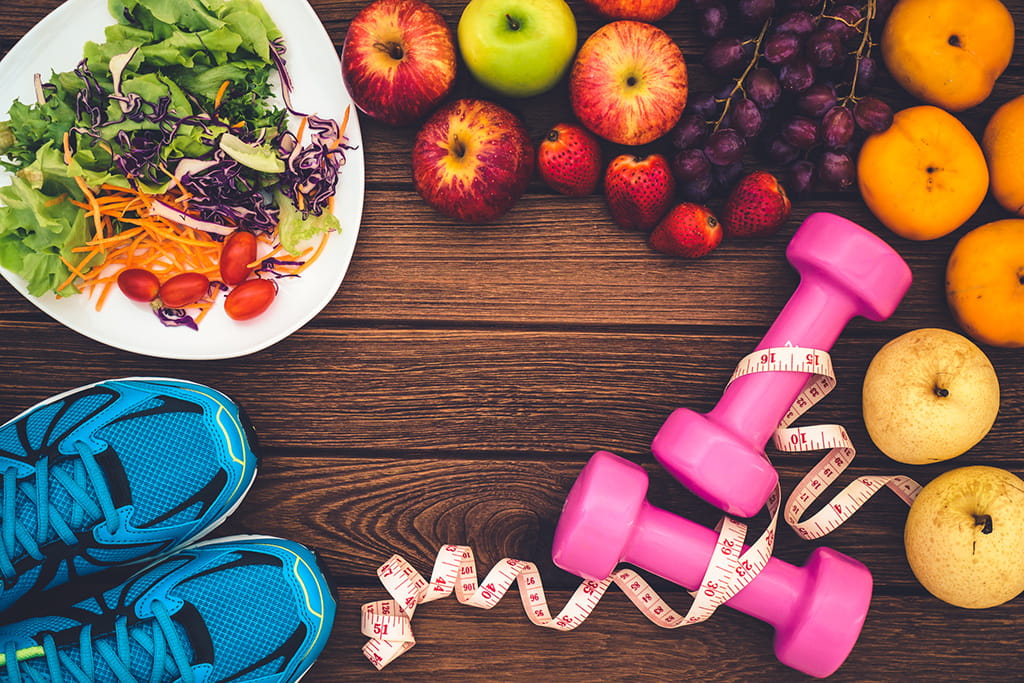
This guide lays out 10 comprehensive steps that combine nutrition, exercise, and mindset strategies to help you achieve lasting weight loss and improved well-being.
Step 1: Building a Foundation with Nutrition
1. Understand Your Caloric Needs
Weight loss begins with a calorie deficit, where you consume fewer calories than you burn. Use a calorie calculator to estimate your daily needs based on your age, weight, activity level, and goals.
2. Focus on Nutrient-Dense Foods
Instead of cutting calories drastically, focus on high-quality, nutrient-dense foods:
- Lean Proteins: Chicken, turkey, fish, tofu, and legumes.
- Healthy Fats: Avocados, nuts, seeds, and olive oil.
- Complex Carbs: Whole grains, quinoa, sweet potatoes, and oats.
- Fruits and Vegetables: Aim for a colorful plate to ensure a variety of vitamins and minerals.
3. Avoid Extreme Restrictions
Eliminating entire food groups can lead to cravings and eventual binges. Practice moderation instead. For example, enjoy a small dessert occasionally rather than banning sweets entirely.
4. Stay Hydrated
Water is essential for metabolism and overall health. Aim for at least 8 glasses a day and consider swapping sugary drinks for herbal teas or infused water.
Read: Nurturing Minds and Bodies: The Impact of Nutrition on Child Development in the UK
Weight loss revolves around creating a caloric deficit—burning more calories than you consume. However, this doesn’t mean starving yourself. Instead, calculate your Total Daily Energy Expenditure (TDEE) using online calculators. Your TDEE reflects the number of calories your body needs to maintain its current weight, and eating slightly below this will help you lose weight gradually and sustainably.
Pro Tip:
Combine a moderate calorie reduction with increased physical activity rather than drastically slashing calories, which can lead to nutrient deficiencies and rebound weight gain.
Step 2: Prioritize Nutrient-Dense, Whole Foods
Not all calories are created equal. Foods rich in nutrients provide the vitamins and minerals your body needs to function optimally while keeping you full and satisfied. Focus on:
- Lean Proteins: Chicken, fish, turkey, eggs, tofu, and legumes help preserve muscle while burning fat.
- Complex Carbohydrates: Whole grains, oats, quinoa, and sweet potatoes release energy slowly and keep you satiated longer.
- Healthy Fats: Avocados, nuts, seeds, and olive oil provide essential fatty acids and support hormonal balance.
- Fruits and Vegetables: Packed with fiber, vitamins, and antioxidants, these should be the cornerstone of every meal.
Actionable Tip:
Plan your meals around whole foods and reduce processed or refined items. A colorful plate ensures you’re getting a variety of nutrients.
Explore: Nurturing Minds and Bodies: The Impact of Nutrition on Child Development in the UK
Step 3: Start with Realistic and Achievable Goals
Set clear, measurable goals that you can track over time. For instance:
- Lose 1-2 pounds per week.
- Walk 10,000 steps daily.
- Include vegetables in every meal for a week.
Starting small and celebrating milestones keeps motivation high and prevents burnout.
Discover: 10 Signs You Might Be Suffering from Burnout and How to Recover
Step 4: Incorporate Consistent Cardiovascular Exercise
Cardio is essential for burning calories and improving heart health. As a beginner, you don’t need to start with intense workouts. Walking briskly for 30 minutes a day, three to five times a week, is an excellent way to ease into exercise.
Progression Tip:
Gradually increase the intensity or duration as your fitness improves. Jogging, cycling, swimming, or group dance classes can add variety and keep things fun.
Step 5: Add Strength Training to Build Lean Muscle
Strength training is often overlooked by beginners but is critical for long-term weight loss. Muscle burns more calories than fat, even at rest. Simple bodyweight exercises like squats, push-ups, lunges, and planks are great starting points.
Why Strength Training Matters:
- Prevents muscle loss during weight loss.
- Shapes your body for a toned appearance.
- Increases overall metabolism.
Explore: Top 5 Fitness Trends: What’s Worth Trying?
Step 6: Hydration is Non-Negotiable
Drinking water is one of the simplest yet most overlooked aspects of healthy living. Proper hydration supports digestion, regulates body temperature, and boosts energy levels.
Daily Water Intake Guidelines:
- Women: About 2.7 liters (91 ounces) per day.
- Men: About 3.7 liters (125 ounces) per day.
Pro Tip:
Start your day with a glass of water and carry a reusable bottle to stay hydrated throughout the day. Avoid sugary drinks and opt for herbal teas or infused water for variety.
Step 7: Get Sufficient Sleep for Recovery
Sleep is often neglected in weight loss discussions, yet it plays a critical role in regulating hunger hormones like leptin and ghrelin. Inadequate sleep can increase cravings for unhealthy foods and slow metabolism.
Sleep Recommendations:
- Aim for 7-9 hours of quality sleep each night.
- Establish a bedtime routine, such as limiting screen time and practicing relaxation techniques.
Step 8: Address Emotional Eating and Manage Stress
Stress can derail your progress by triggering emotional eating. Many people turn to comfort foods high in sugar and fat during stressful moments.
Coping Strategies:
- Practice mindfulness or meditation to stay aware of your emotions.
- Keep a food diary to identify patterns and triggers.
- Choose healthy stress outlets like journaling, yoga, or going for a walk.
Read: The Powerful Connection Between Gut Health and Mental Well-Being
Step 9: Embrace the Power of Small, Consistent Habits
Weight loss is not about perfection but about persistence. Focus on building small, sustainable habits that compound over time. Examples include:
- Preparing meals at home to control portions.
- Taking stairs instead of elevators.
- Parking farther away to get in extra steps.
Why This Works:
These small changes become second nature, contributing to a healthier lifestyle without feeling overwhelming.
Explore: Top 10 Daily Habits to Improve Your Mental Health
Step 10: Seek Professional Guidance When Needed
If you’re struggling to lose weight or hit a plateau, consider consulting professionals like:
- A registered dietitian to develop a personalized nutrition plan.
- A fitness trainer to tailor an exercise routine.
- A therapist for support in addressing emotional or psychological barriers.
Pro Tip:
Investing in your health through expert advice can save time and help you avoid frustration. Weight loss and healthy living don’t have to be an all-or-nothing journey. By following these 10 steps, you can build a sustainable approach that balances nutrition, exercise, and mindset. Remember, the goal isn’t just about shedding pounds but creating a lifestyle that supports long-term health and happiness.