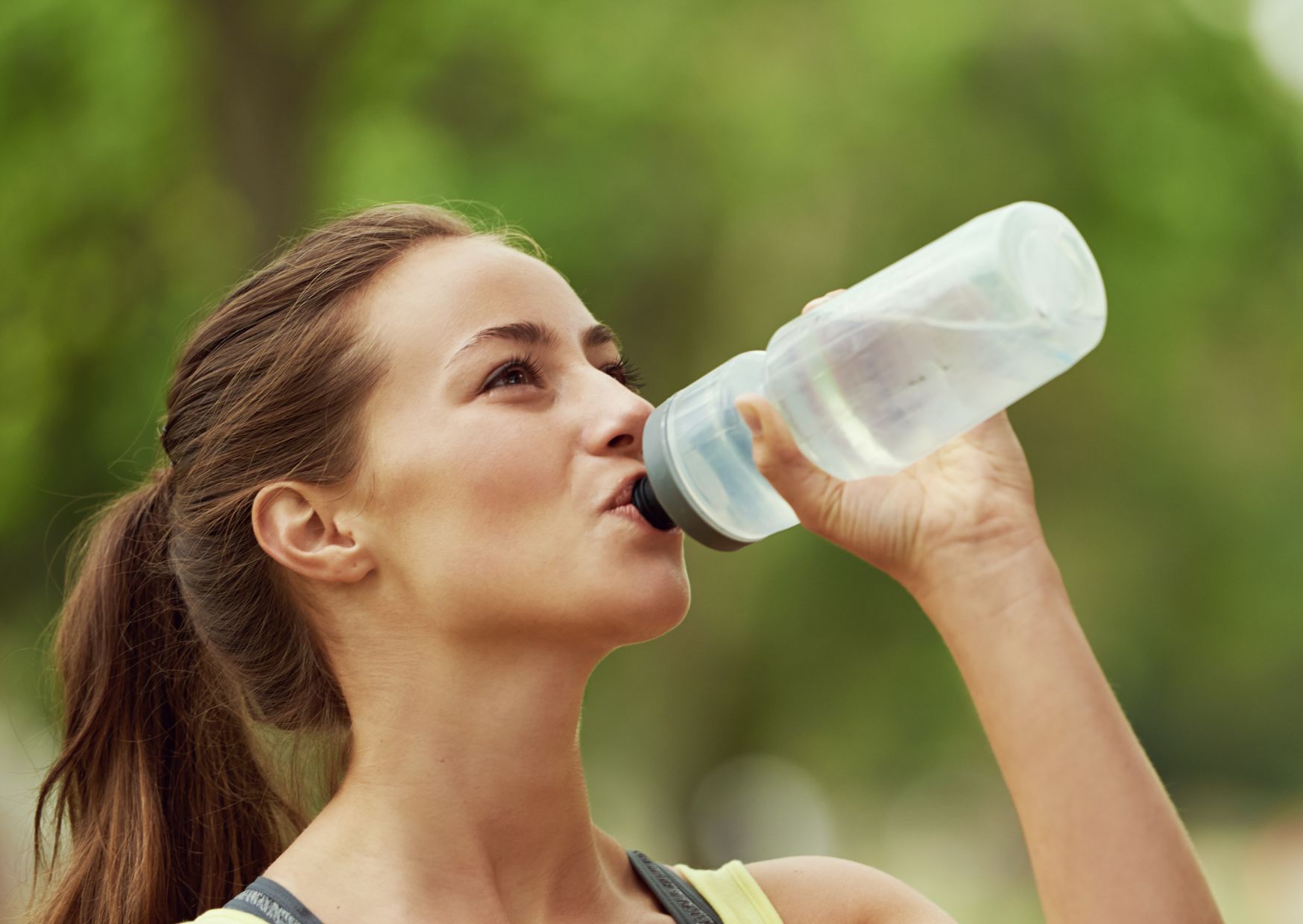
Staying hydrated is often overlooked but is one of the most essential factors in maintaining good health and optimal energy levels. Water plays a crucial role in nearly every bodily function, from regulating temperature to ensuring mental clarity.
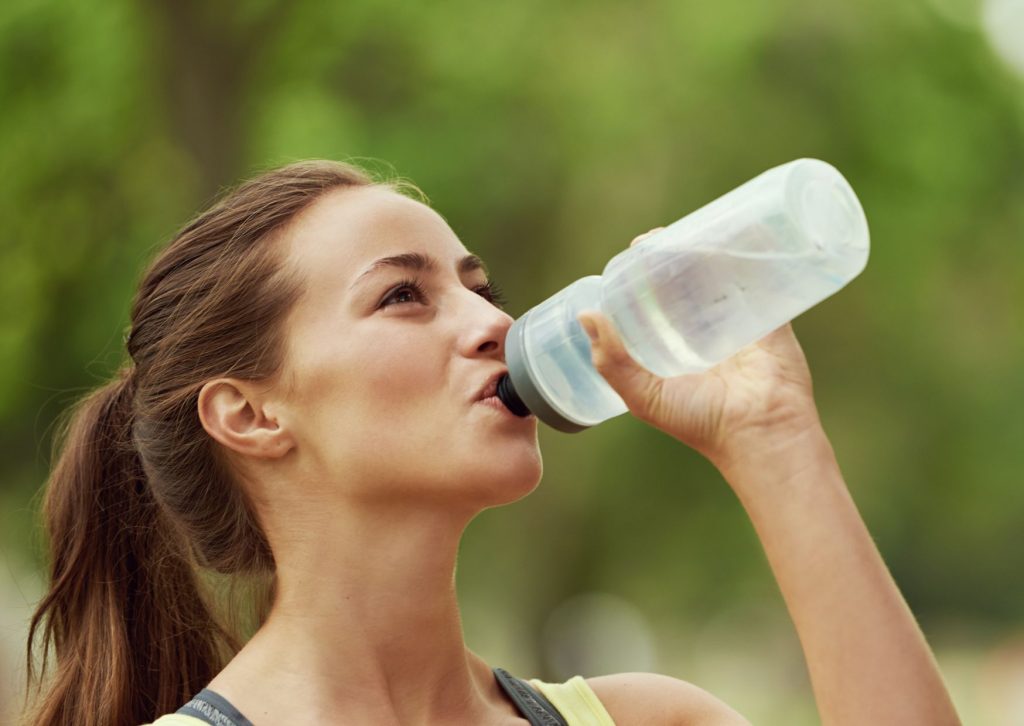
Whether you’re an athlete aiming for peak performance or someone navigating daily responsibilities, hydration is key to unlocking your physical and mental potential.
Why Hydration Matters
Our bodies are composed of approximately 60% water, highlighting its importance in overall health. Every system in your body relies on water for optimal function. From aiding digestion to transporting nutrients and flushing out toxins, hydration is vital.
Signs of Dehydration
Even mild dehydration can cause:
- Fatigue
- Dizziness
- Poor concentration
- Dry skin
- Headaches
Chronic dehydration may lead to more severe health problems, including kidney issues and urinary tract infections. If you find yourself frequently feeling drained or unable to focus, hydration could be the missing piece. For more insights into fatigue and stress, check out 10 Signs You Might Be Suffering from Burnout and How to Recover.
The Science of Hydration and Physical Performance
When you exercise or engage in physical activities, your body loses water through sweat. Proper hydration replenishes this loss and supports optimal performance by:
- Regulating Body Temperature: Water helps dissipate heat during intense activity, preventing overheating.
- Improving Muscle Function: Hydration ensures that muscles receive enough oxygen and nutrients, reducing the risk of cramps and fatigue.
- Enhancing Endurance: Staying hydrated delays fatigue, enabling you to perform better for longer durations.
Athletes can benefit significantly from structured hydration plans. Learn more about integrating hydration into your fitness journey in Top 5 Fitness Trends: What’s Worth Trying?.
Hydration and Mental Clarity
Dehydration doesn’t only affect your body—it impacts your brain as well. Even a 1–2% drop in hydration levels can impair cognitive functions such as focus, memory, and mood. Here’s how hydration boosts mental clarity:
- Enhanced Focus: Water facilitates the delivery of oxygen to the brain, improving concentration and alertness.
- Mood Stabilization: Proper hydration reduces irritability and anxiety, helping you stay calm and focused.
- Better Decision-Making: Staying hydrated keeps your mind sharp, especially during high-pressure situations.
If you’re exploring ways to nurture both your body and mind, consider reading The Powerful Connection Between Gut Health and Mental Well-Being.
How Much Water Do You Need?
The “8×8 Rule” (eight 8-ounce glasses of water per day) is a common guideline, but individual needs vary. Factors like age, weight, activity level, and climate affect your water intake. A better approach is to:
- Listen to Your Body: Drink when you’re thirsty and monitor urine color (pale yellow indicates good hydration).
- Consider Activity Levels: Increase water intake during exercise or on hot days.
- Factor in Diet: Foods like fruits and vegetables contribute to daily hydration.
Tips for Staying Hydrated
Incorporating these habits into your daily routine can help you maintain optimal hydration:
- Start Your Day with Water: Drinking a glass of water first thing in the morning jumpstarts your metabolism and hydrates you after hours of sleep.
- Carry a Water Bottle: Having water on hand makes it easier to sip throughout the day.
- Set Reminders: Use phone alarms or apps to remind yourself to drink water regularly.
- Infuse Your Water: Adding natural flavors like lemon, mint, or cucumber can make hydration more enjoyable.
The Role of Hydration in Weight Management
Drinking water can also play a role in maintaining a healthy weight. Hydration helps by:
- Reducing Appetite: Sometimes, thirst is mistaken for hunger. Drinking water before meals can prevent overeating.
- Boosting Metabolism: Water is involved in calorie-burning processes, supporting weight loss efforts.
- Aiding Digestion: Staying hydrated ensures that your digestive system functions smoothly.
If weight management is one of your goals, read Slimming Down Made Simple: 10 Magic Ways to Lose Weight for more actionable tips.
Hydration for Specific Groups
Certain populations have unique hydration needs:
- Children: Adequate hydration supports cognitive development and energy levels in children. For more on children’s health, explore The Impact of Nutrition on Child Development in the UK.
- Seniors: Aging reduces the sensation of thirst, making seniors more prone to dehydration. Encourage regular fluid intake to prevent health issues.
- Pregnant Women: Hydration is critical during pregnancy to support amniotic fluid levels and overall maternal health.
Myths About Hydration
There are many misconceptions about hydration. Here’s the truth behind some common myths:
- Myth: You need exactly 8 glasses of water daily.
Truth: Your hydration needs depend on various factors, and beverages like tea and milk also count. - Myth: Caffeinated drinks dehydrate you.
Truth: While caffeine has mild diuretic effects, moderate consumption still contributes to hydration.
When Hydration Alone Isn’t Enough
In some cases, dehydration might be linked to underlying health issues. If you consistently feel fatigued despite adequate hydration, it could be worth exploring other causes. For example, sleep disorders are a common culprit. Learn more in Unveiling the Silent Culprits: Health Conditions Behind Insomnia in the UK.
Staying hydrated is one of the simplest yet most effective ways to boost your health and energy levels. Proper hydration improves physical performance, enhances mental clarity, and supports overall well-being. By making water a priority and adopting practical hydration habits, you can unlock your body’s full potential.
For more health tips and wellness insights, visit GoodHealthPro.co.uk and take the first step towards a healthier, more energized you.