Explore the history of mental health from ancient practices to modern innovations. Learn how understanding the past can shape a healthier, stigma-free future for all.
A Historical Perspective on Mental Health
“Mental health is not a destination but a process.” This sentiment has resonated throughout history, reflecting humanity’s evolving understanding of mental well-being. From ancient beliefs to modern science, mental health care has undergone profound transformations, shaping how societies view and address psychological well-being today.
This article explores the journey of mental health through the ages, highlighting pivotal moments, challenges, and the steps toward an inclusive, evidence-based approach to mental well-being.
The Ancient World: Spirituality and Early Explanations
1. Prehistoric and Early Practices
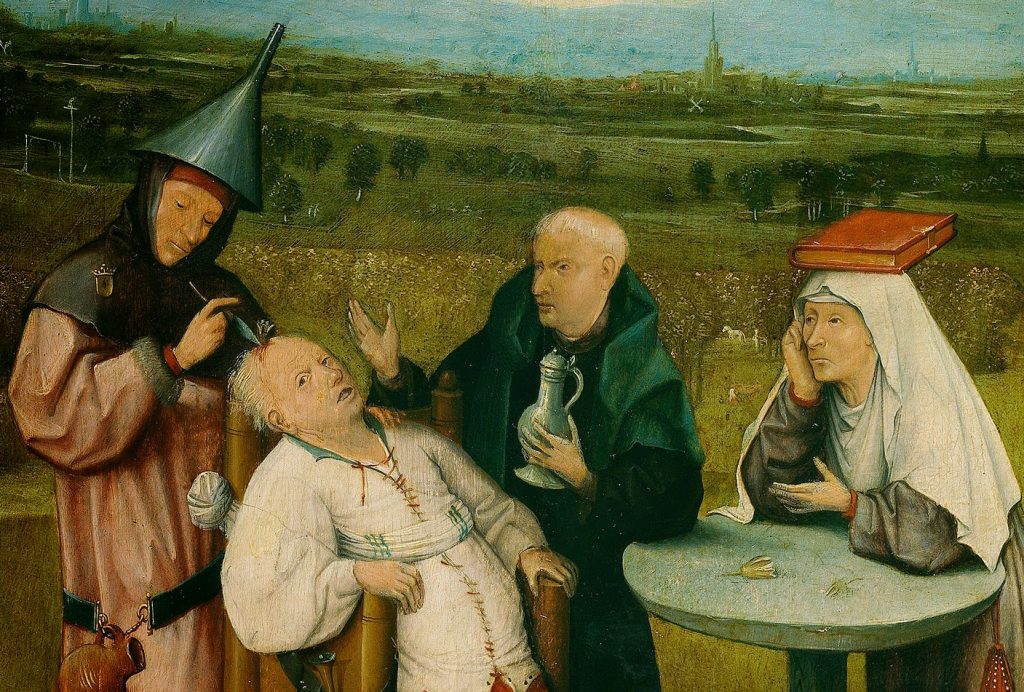
In prehistoric times, mental illness was commonly attributed to spiritual or supernatural causes. Practices such as trepanation—drilling holes in the skull to release supposed “evil spirits”—were widely used to address psychological distress.
- In ancient Egypt, mental health was associated with physical health. Emotional disturbances were often treated with rituals and herbal remedies, emphasizing a connection between the mind and the body.
- The ancient Greeks, led by Hippocrates, proposed the “four humors” theory, suggesting that imbalances in bodily fluids like blood and bile were the root of mental and physical illnesses. This idea introduced the concept of a biological basis for mental health, an idea that evolved into modern medical approaches.
The Middle Ages: Darkness and Stigma
Religious Interpretations and Misunderstandings
During the Middle Ages, mental illness was frequently linked to demonic possession or divine punishment. Treatments often involved exorcisms or public shaming, reinforcing societal stigma around mental health.
Medieval asylums began emerging, but their purpose was largely to isolate individuals considered “mad” rather than to provide therapeutic care. Such practices laid the foundation for institutionalization that persisted for centuries.
The Renaissance and Enlightenment: Shifting Perspectives
1. Renaissance Innovations
The Renaissance ushered in a renewed focus on humanism and science. Pioneers began challenging the idea that mental illness was caused solely by supernatural forces. For example:
- Medical practitioners started to explore brain function and its connection to mental health.
- Compassionate care models began replacing punitive measures.
2. Enlightenment Advances
During the Enlightenment, the moral treatment movement emerged, advocating for humane care in mental institutions. This period also saw the establishment of some of the earliest organized mental health hospitals in Europe, paving the way for modern psychiatry.
This focus on compassionate care reflects today’s emphasis on practices such as mindfulness and lifestyle interventions to improve mental health, as discussed in 10 Signs You Might Be Suffering from Burnout and How to Recover.
The 19th and Early 20th Century: The Birth of Psychiatry
1. Psychiatry as a Discipline
The early 19th century marked the birth of psychiatry as a medical field. Practitioners like Philippe Pinel and Emil Kraepelin introduced diagnostic frameworks that classified mental illnesses, enabling more targeted treatments.
- In this period, asylum reforms were driven by advocates like Dorothea Dix, who fought for better living conditions and humane care for individuals with mental illnesses.
- These reforms inspired the development of mental health practices that incorporate therapeutic environments, akin to today’s discussions on the impact of holistic care, as highlighted in The Powerful Connection Between Gut Health and Mental Well-Being.
The Mid-20th Century: A Paradigm Shift
1. The Rise of Psychopharmacology
The mid-20th century revolutionized mental health care with the discovery of medications like antipsychotics and antidepressants. These innovations significantly reduced the need for long-term hospitalization and improved the quality of life for many patients.
2. Deinstitutionalization Movement
During this era, the focus shifted from institutional care to community-based support. Governments began funding outpatient services, making mental health care more accessible.
- These changes reflect the modern approach of integrating mental health into everyday practices, such as incorporating daily habits to boost mental well-being, as explored in Top 10 Daily Habits to Improve Your Mental Health.
Modern Mental Health Care: A Comprehensive Approach
1. Advances in Neuroscience and Technology
Today, mental health care benefits from groundbreaking research in neuroscience and innovations in digital technology:
- Brain imaging technologies like MRI have deepened our understanding of mental disorders.
- Mobile apps and online therapy platforms have expanded access to mental health resources globally.
2. Workplace Mental Health Initiatives
Modern workplaces are increasingly focusing on mental health by introducing wellness programs, flexible work arrangements, and mental health days. These initiatives align with broader societal efforts to combat burnout and foster resilience.
Key Challenges in Mental Health Today
1. Inequitable Access to Care
While advancements are promising, access to mental health care remains uneven. Low-income countries often lack resources to provide adequate treatment.
2. New Stressors in Modern Life
Emerging issues like digital addiction, climate anxiety, and the lingering effects of the COVID-19 pandemic highlight the evolving nature of mental health challenges.
These issues underscore the need for proactive approaches, such as adopting healthier lifestyles, as suggested in Slimming Down Made Simple: 10 Magic Ways to Lose Weight, which emphasizes the link between physical and mental health.
Lessons from Mental Health History
1. Holistic Models of Care
Historical approaches, from ancient Egypt’s mind-body connection to Renaissance humanism, remind us of the value of holistic care models.
2. Breaking the Stigma
The stigmatization of mental illness persisted for centuries, but modern advocacy efforts aim to normalize conversations about mental health. Increased public awareness and education are critical for reducing stigma and encouraging individuals to seek help.
3. Community Support
History shows that isolation exacerbates mental illness. Building supportive communities remains a cornerstone of effective mental health strategies.
Shaping the Future of Mental Health
Understanding the history of mental health is vital for appreciating how far we’ve come—and recognizing the work still needed to create a world where mental well-being is universally prioritized. From ancient misconceptions to cutting-edge treatments, the journey of mental health reflects humanity’s resilience and commitment to growth.
By drawing on historical lessons and embracing modern innovations, we can ensure a brighter future for mental health care worldwide.