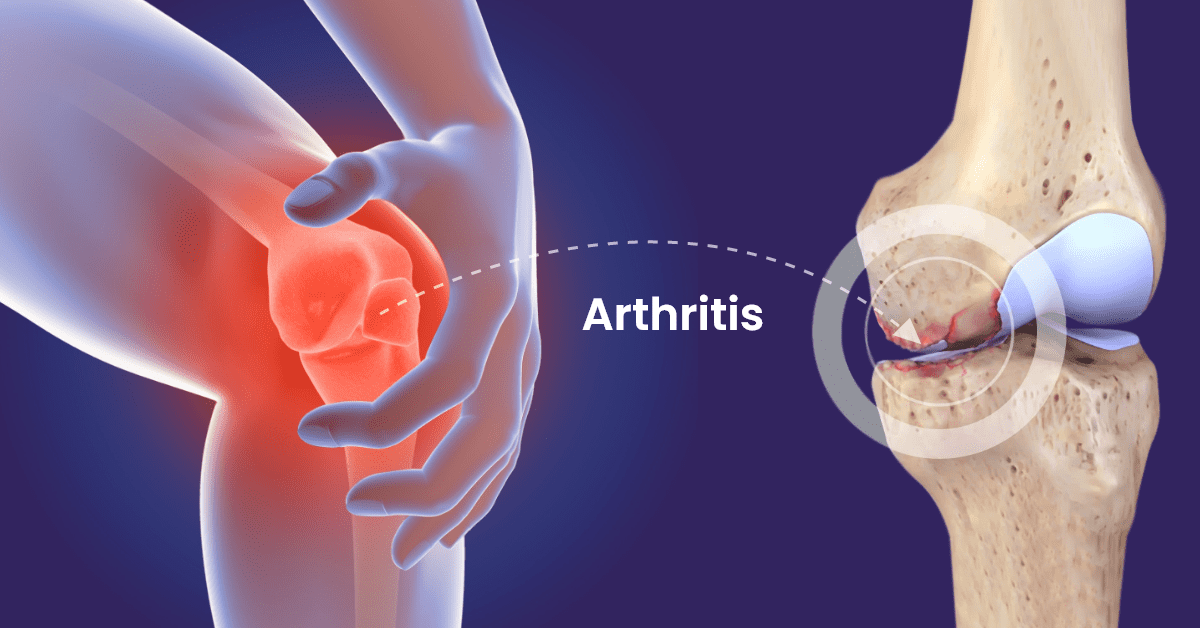
Arthritis, a condition characterized by inflammation and pain in the joints, affects millions of individuals in the UK.
With over 10 million people grappling with arthritis or similar joint conditions, understanding the available support and treatments can significantly improve quality of life. This guide explores effective treatments, lifestyle changes, and resources available for those living with arthritis in the UK.
What is Arthritis?
Arthritis is not a single condition but a term that encompasses over 100 types of joint-related disorders. The most common forms in the UK include:
- Osteoarthritis: This type primarily affects older adults and results from the wear and tear of cartilage.
- Rheumatoid Arthritis: An autoimmune condition where the immune system attacks joint tissues.
- Psoriatic Arthritis: Often linked to psoriasis, causing inflammation in joints.
- Juvenile Arthritis: Affects children under 16 years of age.
Understanding the specific type of arthritis you have is crucial for effective management and treatment.
Common Symptoms of Arthritis
The symptoms of arthritis can vary depending on the type but often include:
- Joint pain and stiffness
- Swelling in affected joints
- Reduced range of motion
- Fatigue and weakness
- Warmth or redness around the joints
Treatments for Arthritis
Living with arthritis doesn’t mean resigning yourself to constant pain. Numerous treatments are available in the UK, from medical interventions to natural remedies. Here’s what you need to know:
1. Medications
- Pain Relievers: Over-the-counter options like paracetamol and ibuprofen can help alleviate pain.
- Disease-Modifying Anti-Rheumatic Drugs (DMARDs): Effective for autoimmune arthritis like rheumatoid arthritis.
- Biologic Therapies: These advanced medications target specific components of the immune system.
- Steroids: Short-term relief for severe inflammation.
2. Physical Therapies
The NHS offers free physiotherapy for arthritis patients. Techniques include:
- Hydrotherapy: Exercises in warm water reduce joint strain.
- Occupational Therapy: Helps improve daily function and minimize joint stress.
- Manual Therapy: Hands-on treatment to improve joint function.
3. Surgery
When conservative treatments fail, surgical options such as joint replacement or arthroscopy may be necessary.
4. Complementary Treatments
Many arthritis patients find relief through complementary therapies like:
- Acupuncture: Stimulates nerves and muscles to alleviate pain.
- Massage Therapy: Reduces stiffness and improves circulation.
- Herbal Supplements: Always consult a doctor before use.
Lifestyle Changes to Manage Arthritis
1. Exercise Regularly
Gentle exercises such as swimming, yoga, and walking can strengthen muscles and improve joint mobility. Explore more fitness ideas in our Top 5 Fitness Trends.
2. Maintain a Healthy Weight
Excess weight puts additional strain on joints, exacerbating arthritis symptoms. Learn about weight loss tips in Slimming Down Made Simple.
3. Adopt an Anti-Inflammatory Diet
Include foods like fatty fish, nuts, leafy greens, and turmeric in your diet. These can reduce inflammation and improve overall health. Discover the impact of nutrition on well-being.
4. Prioritize Mental Health
Living with chronic pain can take a toll on mental health. Access free support through mental health resources in the UK
Arthritis Support Networks in the UK
The UK offers a range of support networks and charities dedicated to helping arthritis patients:
- Arthritis Action: Provides self-management tools, advice, and physical therapy.
- Versus Arthritis: Offers an online community, support helpline, and local groups.
- NHS Support Services: Includes GP referrals, physiotherapy, and specialist clinics.
For new patients, it’s essential to register with a GP to access these services.
Coping with Winter Arthritis
Cold weather can worsen arthritis symptoms. Here are some tips for staying comfortable:
- Keep your home warm to prevent joint stiffness.
- Wear thermal clothing.
- Stay active indoors. Find more advice in Winter Health Tips.
Thriving with Arthritis
Living with arthritis requires a combination of medical treatment, lifestyle adjustments, and emotional support. By leveraging the extensive resources available in the UK, individuals can lead fulfilling lives despite their condition. Remember, understanding your arthritis type, exploring treatment options, and maintaining a proactive approach are key to managing this condition effectively.
For further insights into managing chronic health conditions, explore our articles on mental health effects and cardiovascular disease trends.