Learn how to prevent Type 2 diabetes in the UK with effective tips on diet, exercise, and lifestyle changes. Take control of your health and reduce your risk today.
Tackling Type 2 Diabetes in the UK
Type 2 diabetes is a growing health concern in the UK, affecting over 4 million people. This condition, largely preventable through lifestyle changes, can lead to severe complications such as cardiovascular disease, kidney failure, and nerve damage if left unmanaged.
This comprehensive guide provides actionable steps to help prevent Type 2 diabetes, highlighting the importance of a balanced lifestyle, regular check-ups, and targeted interventions.
Understanding Type 2 Diabetes
1. What is Type 2 Diabetes?
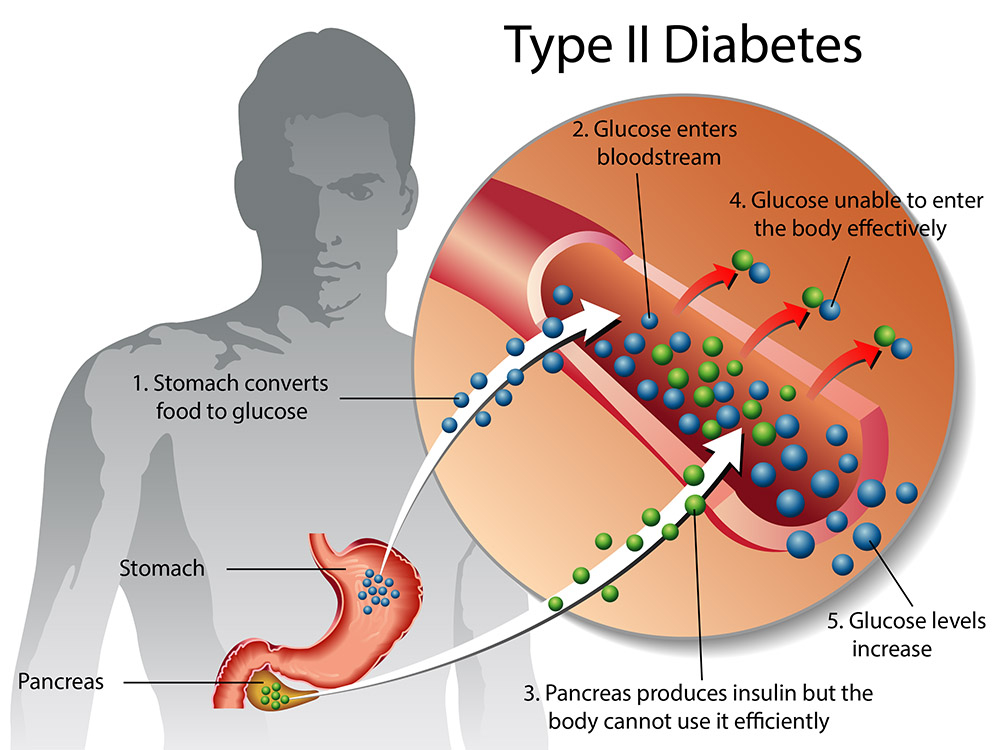
Type 2 diabetes occurs when the body becomes resistant to insulin or doesn’t produce enough insulin, leading to high blood sugar levels. Unlike Type 1 diabetes, it is often linked to lifestyle factors such as diet, physical activity, and weight.
2. Key Risk Factors in the UK
- Being overweight or obese.
- Sedentary lifestyle.
- Family history of diabetes.
- Ethnicity (higher risk among South Asian, African-Caribbean, and Black African communities).
- Age (increased risk for those over 40).
3. Why Prevention Matters
Preventing Type 2 diabetes reduces the risk of severe health complications and improves overall quality of life.
1. Adopt a Healthy Diet
a. Focus on Whole Foods
A diet rich in fruits, vegetables, whole grains, lean proteins, and healthy fats helps maintain stable blood sugar levels.
- Reduce processed foods: These are often high in sugar and unhealthy fats.
- Control portion sizes: Avoid overeating to manage weight effectively.
b. Limit Sugary Foods and Beverages
Cutting down on added sugars is crucial for blood sugar management. Replace sugary drinks with water, herbal teas, or low-calorie alternatives.
c. Increase Fiber Intake
High-fiber foods like oats, lentils, and beans improve insulin sensitivity and help control blood sugar.
Tip: Learn more about how nutrition impacts overall health in The Powerful Connection Between Gut Health and Mental Well-Being.
2. Stay Physically Active
a. Incorporate Regular Exercise
Exercise is a cornerstone of diabetes prevention. Aim for at least 150 minutes of moderate-intensity aerobic activity per week, such as:
- Brisk walking.
- Cycling.
- Swimming.
b. Strength Training Matters
Incorporating resistance training twice a week can improve insulin sensitivity and support weight management.
For ideas on staying active, explore Top 5 Fitness Trends: What’s Worth Trying?.
3. Maintain a Healthy Weight
a. Importance of Weight Management
Excess weight, especially around the abdomen, significantly increases the risk of Type 2 diabetes. Losing even 5-10% of body weight can make a difference.
b. Practical Weight Loss Strategies
- Follow a balanced diet and track your calorie intake.
- Combine cardio and strength training.
- Avoid fad diets and focus on sustainable habits.
Discover effective weight loss tips in Slimming Down Made Simple: 10 Magic Ways to Lose Weight.
4. Monitor Your Health Regularly
a. Get Regular Check-Ups
Routine screenings for blood sugar levels, cholesterol, and blood pressure can detect early signs of diabetes.
b. Know Your Numbers
- Fasting Blood Sugar: Should be under 5.6 mmol/L.
- HbA1c Test: Monitors long-term blood sugar control.
If you’re not registered with a GP, follow How to Register with a GP in the UK: A Complete Guide for New Patients.
5. Manage Stress and Sleep
a. The Role of Stress
Chronic stress increases cortisol levels, which can raise blood sugar. Practice stress management techniques like mindfulness, yoga, or journaling.
b. Prioritize Quality Sleep
Poor sleep is linked to insulin resistance and weight gain. Aim for 7-8 hours of restful sleep per night.
Related Article: For tips on improving mental health, read Top 10 Daily Habits to Improve Your Mental Health.
6. Quit Smoking and Limit Alcohol
a. The Impact of Smoking
Smoking damages blood vessels and reduces insulin sensitivity, increasing diabetes risk. Seek support to quit through NHS resources.
b. Moderation in Alcohol Consumption
Excessive alcohol intake contributes to weight gain and blood sugar spikes. Stick to recommended limits to reduce your risk.
7. Leverage Community Resources and Support
a. Diabetes Prevention Programs
The NHS Diabetes Prevention Programme (NDPP) offers free support for individuals at risk of diabetes, including tailored advice on diet and exercise.
b. Support Groups
Joining local or online diabetes prevention groups provides motivation, shared experiences, and accountability.
Emerging Trends in Diabetes Prevention
1. Digital Health Tools
Wearables and apps like MyFitnessPal and Fitbit help track activity levels, monitor calorie intake, and improve accountability.
2. Personalized Nutrition
DNA-based nutrition plans are becoming popular for tailoring dietary interventions to individual needs.
FAQs About Preventing Type 2 Diabetes
Can Type 2 Diabetes Be Completely Prevented?
While genetics play a role, adopting a healthy lifestyle can significantly reduce your risk.
How Can I Determine My Risk Level?
Speak with your GP and undergo simple tests like blood sugar screening and BMI measurement.
What Role Does Family History Play?
If you have a family history of diabetes, adopting preventive measures is even more critical.
Take Control of Your Health Today
Preventing Type 2 diabetes in the UK is achievable with consistent effort and informed choices. By adopting a healthy diet, staying active, managing stress, and leveraging community resources, you can lower your risk and enjoy a healthier life.
Small changes lead to significant results. Take the first step today to prevent diabetes and build a brighter, healthier future.