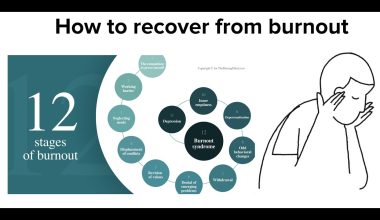
Stress in the workplace is an issue that affects employees across all industries. Tight deadlines, high expectations, and workplace dynamics can take a toll on mental and physical well-being.

While some stress can be motivating, excessive or chronic stress leads to burnout, reduced productivity, and health problems. Learning how to manage stress effectively is crucial for achieving a healthier work-life balance and maintaining poductivity.
The Impact of Workplace Stress
Workplace stress doesn’t just stay at work—it spills over into personal lives, affecting relationships, sleep, and overall health. Studies show that chronic stress contributes to conditions like heart disease, diabetes, and depression. If left unchecked, workplace stress can also lead to burnout, characterized by emotional exhaustion, detachment, and a diminished sense of accomplishment.
For more on recognizing and recovering from burnout, check out 10 Signs You Might Be Suffering from Burnout and How to Recover.
Common Causes of Workplace Stress
Identifying the root causes of workplace stress is the first step toward managing it. Common stressors include:
- Heavy Workload: Unrealistic deadlines and too many responsibilities.
- Lack of Control: Limited influence over decisions or work processes.
- Workplace Conflicts: Tensions with colleagues or management.
- Job Insecurity: Fear of layoffs or lack of career growth opportunities.
- Work-Life Imbalance: Difficulty balancing personal and professional responsibilities.
Understanding these triggers can help you develop targeted strategies to manage and reduce stress.
Practical Tips for Managing Workplace Stress
The good news is that workplace stress can be managed with the right strategies. Here’s how you can create a healthier, more balanced work-life dynamic.
1. Prioritize and Organize
- Create a To-Do List: Break tasks into manageable steps and prioritize based on deadlines and importance.
- Time Management: Use tools like calendars or apps to schedule tasks and avoid last-minute rushes.
- Delegate Tasks: Share responsibilities when possible to avoid feeling overwhelmed.
2. Set Boundaries
- Define Work Hours: Avoid working outside of your designated hours, especially during personal or family time.
- Learn to Say No: Politely decline additional tasks that could overburden you.
- Disconnect: Limit checking work emails or taking calls after hours to mentally recharge.
3. Foster Healthy Workplace Relationships
Building positive relationships at work can make a significant difference:
- Communicate Openly: Discuss concerns or challenges with your manager or team.
- Seek Support: Join employee resource groups or confide in trusted colleagues.
- Address Conflicts: Resolve disagreements promptly to prevent stress from escalating.
For more tips on maintaining mental well-being, explore Top 10 Daily Habits to Improve Your Mental Health.
4. Incorporate Mindfulness Practices
Mindfulness is a proven technique for managing stress. Consider:
- Meditation: Spend 5–10 minutes a day practicing deep breathing or guided meditation.
- Yoga: Incorporate stretches or yoga poses to release tension during breaks.
- Gratitude Journaling: Reflect on positive experiences or achievements at work.
Mindfulness also ties into mental and physical health. Learn how gut health can influence your stress levels in The Powerful Connection Between Gut Health and Mental Well-Being.
Balancing Work and Personal Life
Achieving a healthy work-life balance is essential for reducing stress. Here’s how to ensure both aspects of your life are fulfilling:
1. Take Regular Breaks
Short breaks during work hours improve focus and reduce fatigue. Consider the Pomodoro Technique, which involves working for 25 minutes and then taking a 5-minute break.
2. Invest in Hobbies
Engaging in hobbies or creative activities outside of work helps shift focus and promotes relaxation. Whether it’s gardening, painting, or trying out new fitness trends, leisure activities can rejuvenate your mind. Check out Top 5 Fitness Trends: What’s Worth Trying? for ideas.
3. Exercise Regularly
Physical activity is a natural stress reliever. Even a 20-minute daily walk can boost endorphins and improve mood. For more structured routines, consider activities that suit your schedule and fitness level.
Improving Productivity Through Stress Management
Managing stress not only enhances well-being but also boosts workplace productivity. Here are some ways to achieve this:
1. Adopt a Healthy Diet
Nutrition plays a critical role in energy levels and concentration. Foods rich in protein, fiber, and healthy fats provide sustained energy. Learn more about the role of nutrition in The Impact of Nutrition on Child Development in the UK, which also applies to adults.
2. Leverage Technology
Use productivity tools like Asana, Trello, or Slack to streamline tasks and communication.
3. Celebrate Small Wins
Acknowledge and reward yourself for meeting goals, even small ones. It creates a sense of accomplishment and reduces stress.
When to Seek Professional Help
Sometimes, stress can become overwhelming and require external support. Consider speaking to:
- A therapist or counselor specializing in workplace stress.
- Your company’s Employee Assistance Program (EAP) for resources or referrals.
- A life coach for strategies to enhance work-life balance.
If chronic stress is affecting your sleep, it may be tied to underlying health conditions. Read about potential causes in Unveiling the Silent Culprits: Health Conditions Behind Insomnia in the UK.
Managing workplace stress is essential for maintaining your physical health, mental well-being, and productivity. By incorporating practical tips such as setting boundaries, fostering healthy relationships, and balancing work with personal activities, you can create a healthier work-life dynamic. Small, consistent changes can lead to significant improvements, empowering you to thrive in both your professional and personal life.
Explore more resources on stress, health, and wellness at GoodHealthPro.co.uk and take charge of your well-being today.