Learn time-saving tips to prepare nutritious meals without spending hours in the kitchen.
In today’s fast-paced world, maintaining a healthy diet can seem like a daunting task. However, with proper meal planning, you can save time, reduce stress, and enjoy wholesome meals that nourish your body and mind.

This guide will walk you through everything you need to know about meal planning, from easy tips to practical hacks, all tailored for busy individuals like you.
1. Understand the Importance of Meal Planning
Before diving into the how-to’s, it’s crucial to understand why meal planning matters.
- Saves Time: Pre-planned meals mean less time spent wondering what to cook.
- Improves Nutrition: Balanced meals help you meet your health goals.
- Reduces Waste: Meal planning ensures you buy only what you need.
- Saves Money: Preparing meals at home costs significantly less than eating out.
By incorporating meal planning into your routine, you’ll streamline your week and create a healthier relationship with food.
2. Start with a Weekly Meal Plan
Having a weekly plan simplifies your grocery shopping and cooking routine.
- Steps to Create a Weekly Meal Plan:
- List the meals you want to prepare (e.g., breakfast, lunch, dinner, snacks).
- Consider your schedule—opt for simpler recipes on busier days.
- Balance your meals with a mix of proteins, carbs, and healthy fats.
- Pro Tip: Use apps like Mealime or Yummly for customizable meal plans and shopping lists.
3. Batch Cooking: Your Time-Saving Best Friend
Batch cooking involves preparing larger portions of food at once and storing them for future use.
- Why It Works:
- Reduces cooking time during the week.
- Ensures you always have healthy meals on hand.
- How to Start:
- Choose recipes that store well, such as soups, stews, and casseroles.
- Invest in airtight containers for portioning and freezing.
- Example: Cook a big pot of chili on Sunday and use it for tacos, rice bowls, or stuffed peppers throughout the week.
4. Master Quick and Easy Recipes
Healthy eating doesn’t have to involve complicated dishes.
- Time-Saving Recipe Ideas:
- Overnight Oats: Mix oats, milk, and fruits in a jar for a grab-and-go breakfast.
- Stir-Fry Dinners: Toss veggies, protein, and a simple sauce into a skillet.
- Salad Jars: Layer greens, proteins, and toppings in a jar for portable lunches.
- Pro Tip: Opt for recipes with 5–10 ingredients to simplify prep.
5. Invest in Time-Saving Kitchen Tools
Having the right tools can cut your cooking time in half.
- Must-Have Tools for Busy People:
- Slow Cooker or Instant Pot: Set it and forget it—perfect for soups, stews, and grains.
- Blender or Food Processor: Quickly make smoothies, sauces, or dips.
- Meal Prep Containers: Keep meals fresh and organized.
- Bonus Tip: A good-quality chef’s knife makes chopping faster and safer.
6. Shop Smart: The Key to Effortless Meal Planning
A well-organized grocery trip can save you time and money.
- How to Shop Smart:
- Create a shopping list based on your meal plan.
- Stick to the outer aisles of the store (where fresh produce, dairy, and proteins are typically located).
- Stock up on pantry staples like rice, pasta, canned beans, and spices.
- Pro Tip: Order groceries online or use curbside pickup services to save time.
7. Make Use of Leftovers
Transforming leftovers into new meals is a creative way to save time and reduce waste.
- Ideas for Repurposing Leftovers:
- Roast Chicken: Use it in sandwiches, salads, or soups.
- Cooked Vegetables: Blend into a soup or use as a pizza topping.
- Rice or Quinoa: Turn it into fried rice or grain bowls.
- Pro Tip: Store leftovers in transparent containers to easily identify them in the fridge.
8. Prioritize Balanced Meals
Ensure each meal includes a mix of essential nutrients.
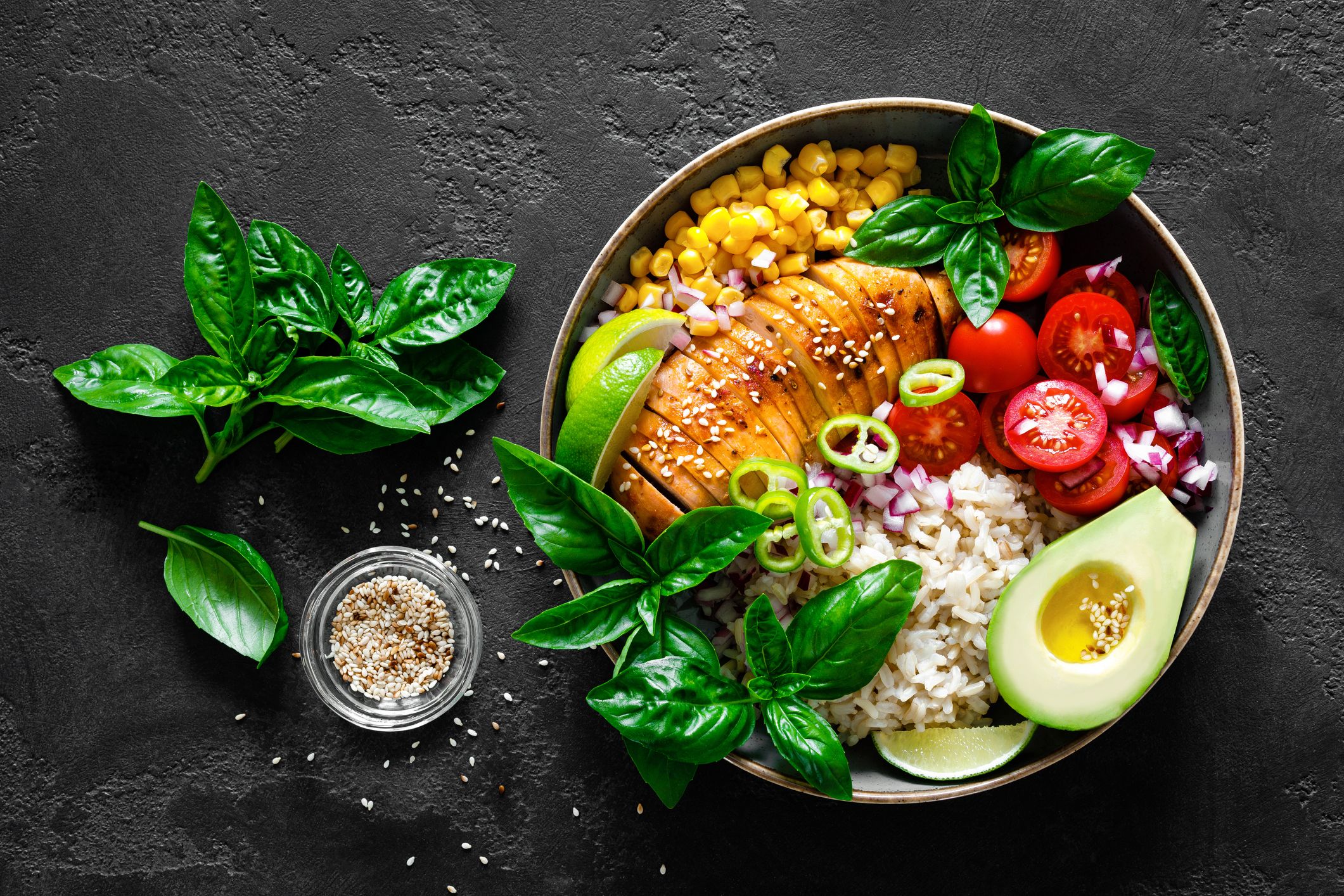
- The Balanced Plate:
- 50% vegetables and fruits.
- 25% lean proteins (chicken, fish, tofu, etc.).
- 25% whole grains (brown rice, quinoa, whole wheat pasta).
- A small portion of healthy fats (avocado, olive oil, nuts).
- Pro Tip: Refer to the Eating for Energy: Foods That Fuel Your Day in the UK guide to find nutrient-rich options that keep you energized.
9. Prep Ingredients Ahead of Time
Chopping and portioning ingredients in advance simplifies your cooking.
- What to Prep:
- Chop vegetables and store them in zip-lock bags or containers.
- Marinate proteins and refrigerate for faster cooking.
- Measure out spices and sauces for easy assembly.
- Pro Tip: Dedicate one or two hours on weekends for ingredient prep.
10. Stay Consistent with Your Routine
Consistency is key to making meal planning a lasting habit.
- How to Stay on Track:
- Set aside a specific time each week to plan and prep.
- Keep a list of your favorite go-to recipes for busy weeks.
- Use reminders or calendar notifications to stick to your schedule.
- Pro Tip: Reward yourself for sticking to your meal plan—it could be as simple as a guilt-free treat or a relaxing evening off.
Sample 7-Day Meal Plan for a Busy Lifestyle
Here’s a quick example of what a weekly meal plan might look like:
- Monday: Overnight oats (breakfast), salad jar (lunch), sheet-pan chicken and veggies (dinner).
- Tuesday: Smoothie (breakfast), leftover chicken wrap (lunch), stir-fry with quinoa (dinner).
- Wednesday: Greek yogurt and granola (breakfast), pasta salad (lunch), slow-cooked beef stew (dinner).
- Thursday: Avocado toast (breakfast), veggie-packed sandwich (lunch), grilled salmon with rice (dinner).
- Friday: Protein-packed muffins (breakfast), grain bowl (lunch), homemade pizza (dinner).
- Saturday: Pancakes (breakfast), leftovers (lunch), barbecue chicken (dinner).
- Sunday: Omelette (breakfast), soup and bread (lunch), roast with veggies (dinner).
Meal planning is a game-changer for busy people looking to maintain a healthy diet. By adopting the strategies above, you can save time, reduce stress, and enjoy nutritious meals every day. Remember, the key is to start small, stay consistent, and adapt the process to fit your unique lifestyle.
If you found this guide helpful, don’t forget to share it with friends or family who could benefit from healthier eating habits!