In the grand tapestry of child development, nutrition stands as a vibrant thread, weaving its influence through every aspect of a child’s growth.

This is not just about the physical growth that can be measured in inches; it extends to the cognitive, emotional, and social realms that shape the very core of a child’s being. In the United Kingdom, where a rich cultural mosaic influences dietary habits, understanding the profound link between nutrition and child development is paramount.
Unveiling the Growth Symphony: Nutrition’s Role in Physical Development
Building Blocks of Strong Bodies
Every child is a marvel of growth, an unfolding saga of physical development that hinges on the nutrients they receive. The UK, with its diverse culinary heritage, plays a pivotal role in this narrative. From the robustness of a Full English Breakfast to the comforting embrace of a Sunday roast, the nation’s food culture influences the nutrients that lay the foundation for a child’s physical prowess.
- Proteins: The Architects of Growth: Proteins, the building blocks of life, are fundamental to a child’s physical development. In the UK, where fish and chips are a national treasure, ensuring an adequate intake of protein-rich foods is crucial. Incorporating salmon, cod, or haddock into a child’s diet not only provides essential proteins but also delivers the omega-3 fatty acids vital for brain development.
- Calcium: The Guardian of Growing Bones: As children run through parks and playgrounds across the UK, calcium plays a silent yet powerful role in fortifying their bones. Dairy delights like cheese, yogurt, and milk are not just culinary pleasures; they are reservoirs of calcium that ensure the structural integrity of a growing skeletal system.
Nourishing Minds: How Nutrition Influences Cognitive Development
The Brain’s Gastronomic Affair
The human brain, with its intricate dance of neurons and synapses, is a voracious consumer of nutrients. In the UK, where afternoon tea and scones are an institution, understanding the cognitive benefits of nutrition is akin to brewing the perfect cuppa—both require precision and care.
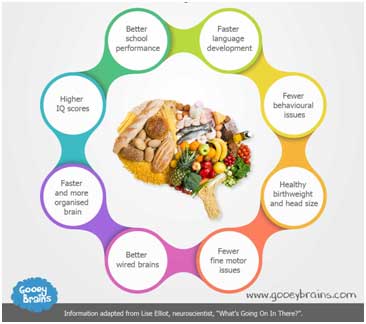
- Omega-3 Fatty Acids: Fuelling Cognitive Engines: The rolling hills and serene landscapes of the UK are mirrored in the cognitive development of its children. Omega-3 fatty acids, found abundantly in oily fish like mackerel and sardines, play a pivotal role in enhancing cognitive functions. These healthy fats are the fuel that propels a child’s ability to learn, remember, and solve problems.
- Iron: Vital for Cognitive Sharpness: In the UK, where Sunday roasts often feature succulent cuts of beef or lamb, iron takes center stage. Iron is not just about preventing anaemia; it is a cognitive ally that ensures a child’s brain is well-oxygenated. This, in turn, enhances their focus, memory, and overall cognitive sharpness.
Emotional Intelligence: The Nutritional Elixir
From Farm to Fork: A Journey of Emotional Resilience
A child’s emotional landscape is as intricate as the honeycomb of a beehive, and nutrition plays a defining role in shaping emotional intelligence. In the UK, where the countryside whispers tales of pastoral beauty, understanding this emotional tapestry is akin to cultivating a flourishing garden.
- Vitamins and Minerals: The Emotional Nurturers: Just as a garden needs sunlight and water, a child’s emotional garden thrives on vitamins and minerals. Fruits and vegetables, abundant in the UK, offer a treasure trove of these emotional nurturers. Vitamin C, found in citrus fruits, and magnesium, abundant in leafy greens, contribute to emotional resilience and a balanced mood.
- Hydration: Quenching the Emotional Thirst: In the UK, where rainfall is as much a part of the landscape as the greenery, understanding the importance of hydration is key. Water, the elixir of life, is not just a physical necessity but a crucial component in maintaining emotional balance. Dehydration can manifest as irritability and fatigue, hindering a child’s emotional well-being.
Social Nourishment: Nutrition’s Role in Building Connections
Around the Table: A Social Tapestry
In the UK, where family dinners and communal gatherings are cherished traditions, nutrition plays a central role in fostering social connections. The dining table becomes the stage where relationships are nurtured, and the food served becomes the medium through which these connections are woven.
- Shared Meals: The Bonding Ritual: Sharing meals is not just about sustenance; it is a bonding ritual that fosters communication and connection. In the UK, where the Sunday roast is a family affair, the act of sharing food becomes a conduit for shared experiences, laughter, and the strengthening of familial ties.
- Cultural Influences: Diverse Plates, Diverse Perspectives: The UK’s cultural mosaic is mirrored in its culinary diversity. Exposure to a variety of foods broadens a child’s palate and perspective. Introducing children to different cuisines fosters an appreciation for diversity, laying the groundwork for a more inclusive and understanding society.
Addressing Challenges: Overcoming Nutritional Hurdles in Child Development
Check Also: Unveiling the Silent Culprits: Health Conditions Behind Insomnia in the UK
Tackling the Picky Eater Conundrum
Even in a country as gastronomically diverse as the UK, parents often grapple with the challenge of picky eaters. Turning mealtimes into enjoyable experiences and involving children in the preparation process can be transformative. Creating a positive food environment is essential, encouraging children to explore and embrace a variety of nutritious foods.
Balancing Act: Navigating Dietary Concerns
While the UK’s culinary landscape is rich, it’s essential to navigate dietary concerns. Addressing issues such as food allergies, intolerances, or cultural dietary restrictions requires a tailored approach. Consulting with healthcare professionals and nutritionists ensures that a child’s specific dietary needs are met.
A Nutritional Tapestry for Bright Futures
In the UK, where history and modernity coalesce, the journey of child development is intricately linked with the food on their plates. From the rolling hills of cognitive growth to the emotional landscapes nurtured by diverse cuisines, nutrition weaves a tapestry that shapes the future of the nation.
As parents, educators, and caregivers, our responsibility is not merely to provide sustenance but to craft a symphony of nutrients that harmonize physical vitality, cognitive acuity, emotional resilience, and social connection. In doing so, we contribute not only to the growth of individual children but also to the collective development of a generation poised for a brighter, more nourished future in the United Kingdom.