In today’s fast-paced world, mental health has become more important than ever. Stress and anxiety can significantly impact your overall well-being, affecting your relationships, work, and physical health.

Taking steps to prioritize your mental health is not only essential for coping with life’s challenges but also for living a balanced and fulfilling life.
This article explores the importance of mental health and provides practical techniques—such as mindfulness, journaling, and self-care routines—that you can adopt to reduce stress and anxiety.
Why Mental Health Matters
Mental health encompasses emotional, psychological, and social well-being. It affects how we think, feel, and act. Good mental health enables you to handle stress, relate to others, and make informed decisions.
The Cost of Neglecting Mental Health
Ignoring your mental health can lead to:
- Chronic stress
- Anxiety disorders
- Depression
- Physical health issues such as high blood pressure or insomnia
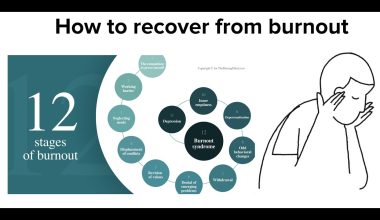
If you feel overwhelmed and unsure where to begin, check out 10 Signs You Might Be Suffering from Burnout and How to Recover.
Simple Ways to Reduce Stress and Anxiety
1. Practice Mindfulness
Mindfulness involves being present in the moment without judgment. It helps you focus on what you can control and reduces anxiety about the future or regrets about the past.
- How to Practice Mindfulness:
- Start with a 5-minute deep-breathing exercise.
- Use guided meditation apps like Calm or Headspace.
- Incorporate mindfulness into daily activities, such as eating or walking.
Mindfulness has been shown to improve mental clarity and emotional regulation, making it a valuable tool for managing stress.
2. Try Journaling
Writing down your thoughts and feelings can help you process emotions and gain clarity. Journaling is a powerful way to manage anxiety, identify triggers, and track your progress over time.
- How to Start Journaling:
- Write freely for 10 minutes each day.
- Focus on gratitude by listing three things you’re thankful for.
- Use prompts like “What made me smile today?” or “What challenges did I overcome?”
Journaling can also complement self-reflection practices found in Top 10 Daily Habits to Improve Your Mental Health.
3. Establish a Self-Care Routine
Self-care is not selfish; it’s essential for maintaining balance and reducing stress. Building a routine that prioritizes your well-being can significantly improve your mental health.
- Examples of Self-Care Activities:
- Taking a warm bath to relax.
- Setting aside “me time” to read or enjoy a hobby.
- Engaging in physical activity, such as yoga or a brisk walk.
Exercise is particularly effective for managing anxiety. For inspiration, explore Top 5 Fitness Trends: What’s Worth Trying?.
4. Stay Connected
Social connections are vital for emotional support and reducing stress. Spending time with loved ones or participating in community activities can alleviate feelings of loneliness.
- Ways to Strengthen Connections:
- Schedule regular catch-ups with friends or family.
- Join a club or group centered on your interests.
- Volunteer for a cause you care about.
Positive relationships are key to mental resilience, helping you navigate life’s challenges more effectively.
5. Improve Your Sleep Hygiene
Sleep and mental health are deeply interconnected. Poor sleep can exacerbate anxiety, while adequate rest promotes emotional balance.
- Tips for Better Sleep:
- Stick to a consistent bedtime routine.
- Avoid screens and caffeine close to bedtime.
- Create a relaxing sleep environment.
If you struggle with insomnia, it might be linked to underlying health conditions. Learn more in Unveiling the Silent Culprits: Health Conditions Behind Insomnia in the UK.
6. Eat for Mental Health
Your diet significantly influences your mood and stress levels. Foods rich in vitamins, minerals, and healthy fats can support brain function and emotional well-being.
- Nutrient-Rich Foods to Include:
- Fatty fish for omega-3 fatty acids.
- Dark leafy greens for folate and magnesium.
- Nuts and seeds for essential minerals.
For a deeper dive into the role of nutrition, read Nurturing Minds and Bodies: The Impact of Nutrition on Child Development in the UK.
7. Manage Your Time Effectively
Poor time management often leads to stress and burnout. Learning to prioritize tasks and set boundaries can improve your mental health.
- Time Management Strategies:
- Use a planner to schedule tasks.
- Break larger projects into manageable steps.
- Learn to say no to unnecessary commitments.
8. Limit Exposure to Stressors
While it’s impossible to avoid stress entirely, minimizing unnecessary stress can help. Identify triggers and take steps to manage them effectively.
- Common Stressors:
- Overuse of social media.
- Toxic relationships.
- Unnecessary multitasking.
When to Seek Professional Help
If stress and anxiety persist despite your efforts, consider seeking support from a mental health professional. Therapy or counseling can provide valuable insights and coping strategies.
The Benefits of Prioritizing Mental Health
Investing in your mental health has far-reaching benefits:
- Improved Focus: Enables you to achieve personal and professional goals.
- Stronger Relationships: Helps you communicate effectively and maintain connections.
- Enhanced Physical Health: Reduces the risk of stress-related illnesses.
By adopting these strategies, you can take control of your mental health and lead a more balanced life.
Mental health is a vital component of overall well-being. Simple practices like mindfulness, journaling, and self-care routines can help you reduce stress and anxiety effectively. By prioritizing these habits, you can improve your emotional resilience, enhance your productivity, and enjoy a more fulfilling life.
For more practical tips on mental health and well-being, visit GoodHealthPro.co.uk. Empower yourself with the tools you need to thrive in today’s demanding world.