How your gut and brain communicate, and what you can do to enhance both.
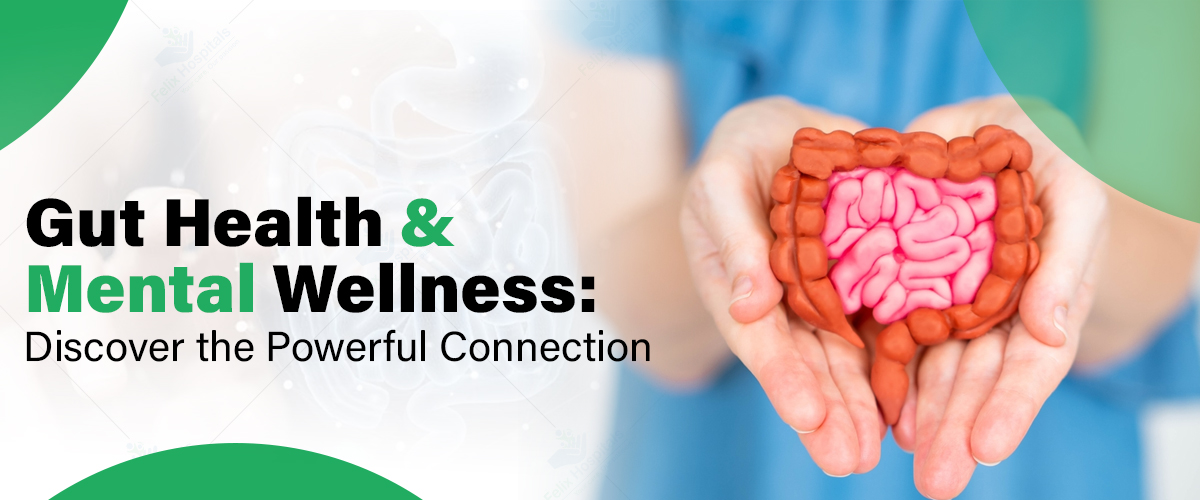
In recent years, scientists and health enthusiasts alike have turned their attention to the fascinating relationship between gut health and mental well-being. The gut is often referred to as the “second brain,” and for good reason.
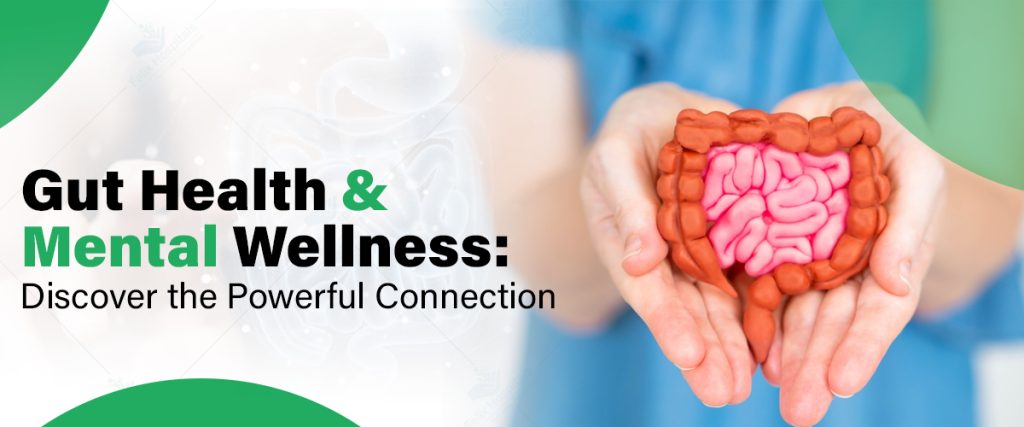
Emerging research has shown that the balance of bacteria in your gut not only impacts digestion but also plays a significant role in your mood, cognition, and overall mental health.
In this guide, we’ll explore the intricate connection between the gut and the brain, the role of diet and probiotics, and actionable tips to enhance your gut health for better mental clarity.
1. Understanding the Gut-Brain Axis
The gut-brain axis is a two-way communication system that influences mood, cognition, and even sleep quality. Disturbances in gut health, such as an imbalanced microbiome, are often linked to mental health challenges, including anxiety and depression.
For instance, sleep disturbances like insomnia may stem from issues rooted in gut health. To dive deeper into factors that disrupt restful sleep, explore our guide on Unveiling the Silent Culprits: Health Conditions Behind Insomnia in the UK.
- How It Works:
- The gut contains millions of neurons and is home to trillions of bacteria.
- These bacteria influence neurotransmitter production, such as serotonin, which regulates mood.
- The vagus nerve serves as a direct communication highway between the gut and brain.
- Key Takeaway: A healthy gut supports a balanced brain, and vice versa. Disturbances in gut health can lead to issues like anxiety, depression, and brain fog.
2. The Role of the Microbiome in Mental Health
Your microbiome is the collection of bacteria, fungi, and viruses living in your gut.
- Why It Matters:
- A balanced microbiome aids in producing neurotransmitters like serotonin, dopamine, and GABA, which influence mood and mental clarity.
- An imbalanced microbiome (dysbiosis) can lead to inflammation, which is linked to mental health disorders.
- Fun Fact: Approximately 90% of serotonin, the “feel-good” hormone, is produced in the gut!
3. How Diet Impacts Gut Health and Mental Well-Being
Your diet plays a pivotal role in fostering a balanced microbiome. Foods rich in fiber, probiotics, and omega-3 fatty acids can positively influence gut health, which directly impacts mental clarity and emotional balance.
Nutrition is especially important during childhood, as a healthy gut can lay the foundation for long-term mental well-being. If you’re interested in understanding the role of nutrition in early development, check out Nurturing Minds and Bodies: The Impact of Nutrition on Child Development in the UK.
- Gut-Friendly Foods:
- Fiber-Rich Foods: Whole grains, fruits, vegetables, and legumes feed good bacteria.
- Fermented Foods: Yogurt, kefir, kimchi, sauerkraut, and miso introduce probiotics into your system.
- Polyphenol-Rich Foods: Green tea, berries, and dark chocolate support beneficial gut bacteria.
- Omega-3 Fatty Acids: Found in fatty fish, flaxseeds, and walnuts, omega-3s reduce inflammation and support brain health.
- Foods to Avoid:
- Processed Foods: High sugar and fat disrupt the microbiome.
- Artificial Sweeteners: Linked to gut dysbiosis.
- Alcohol: Excessive consumption damages gut lining.
- Pro Tip: Check out our related guide on Eating for Energy: Foods That Fuel Your Day in the UK to learn more about energizing and gut-friendly foods.
4. Probiotics: The Good Bacteria Your Gut Needs
Probiotics not only enhance gut health but also contribute to weight management by optimizing digestion and reducing inflammation. For practical tips on slimming down while maintaining a healthy gut, read Slimming Down Made Simple: 10 Magic Ways to Lose Weight.
- Benefits of Probiotics for Mental Health:
- Reduce symptoms of depression and anxiety.
- Enhance cognitive function and mental clarity.
- Promote a balanced microbiome, reducing inflammation.
- Best Sources of Probiotics:
- Fermented foods like yogurt, kombucha, and tempeh.
- Probiotic supplements with strains like Lactobacillus and Bifidobacterium.
- Prebiotics Matter Too: Prebiotics (found in bananas, garlic, and onions) feed probiotics, enhancing their effectiveness.
5. The Impact of Stress on Gut Health
Stress can harm both gut health and mental well-being, leading to issues like inflammation and digestive discomfort. Implementing daily stress-reduction techniques can improve both areas significantly. Learn more about building habits to reduce stress and improve mental wellness in our article on Top 10 Daily Habits to Improve Your Mental Health.
- What Happens Under Stress:
- Stress disrupts the gut microbiome, leading to increased inflammation.
- It slows digestion, causing discomfort and impacting nutrient absorption.
- Stress Management Techniques:
- Practice mindfulness and meditation to calm the gut-brain axis.
- Engage in regular exercise, which promotes gut motility and mental clarity.
- Prioritize sleep, as poor rest disrupts both gut bacteria and mood.
6. Common Gut Issues and Their Mental Health Implications
Imbalances in the gut microbiome can manifest as both physical and mental health challenges.
- Conditions to Watch:
- Leaky Gut Syndrome: A compromised gut lining allows toxins into the bloodstream, leading to inflammation and brain fog.
- Irritable Bowel Syndrome (IBS): Often linked to anxiety and depression.
- Candida Overgrowth: Associated with mood swings and fatigue.
- How to Address Them:
- Consult a healthcare provider for tailored advice.
- Incorporate gut-friendly dietary changes and supplements.
7. Actionable Tips for Improving Gut Health and Mental Clarity
Including natural supplements in your routine can help enhance gut health. For instance, Serrapeptase, a natural enzyme, has been shown to reduce inflammation, which benefits overall health. Discover more about its benefits in our article on Exploring the Benefits of Good Health Naturally Serrapeptase.
- Adopt a Balanced Diet: Incorporate a variety of fiber-rich and fermented foods into your meals.
- Take Probiotic Supplements: Choose high-quality supplements with diverse strains.
- Stay Hydrated: Water aids digestion and supports gut lining integrity.
- Reduce Stress: Practice deep breathing exercises or yoga.
- Limit Antibiotic Use: Overuse of antibiotics can harm beneficial gut bacteria.
- Get Moving: Exercise promotes a healthy microbiome and improves mood.
- Chew Your Food Thoroughly: Proper chewing aids digestion and nutrient absorption.
8. Foods to Add to Your Grocery List
Here’s a quick grocery list to kickstart your gut health journey:
- Probiotic Foods: Yogurt, kefir, kombucha, miso, tempeh, and kimchi.
- Prebiotic Foods: Bananas, asparagus, leeks, garlic, and chicory root.
- Anti-Inflammatory Foods: Fatty fish, turmeric, leafy greens, and berries.
- Fiber-Rich Foods: Oats, lentils, quinoa, broccoli, and apples.
9. The Future of Gut Health Research
Exciting developments are shaping our understanding of the gut-brain connection:
- Researchers are exploring psychobiotics—probiotics specifically targeting mental health.
- Advances in microbiome testing can offer personalized insights for diet and supplementation.
- Gut-brain therapies may become a mainstream approach for managing mental health disorders.
Your gut and brain are intricately connected, and taking care of one supports the other. By incorporating gut-friendly foods, probiotics, and stress management into your lifestyle, you can pave the way for better mental clarity and emotional well-being.
Remember, small changes lead to big results. Start by making one gut-friendly swap today—your mind will thank you for it!
If you found this guide helpful, share it with others who may benefit from learning about the gut-brain connection.