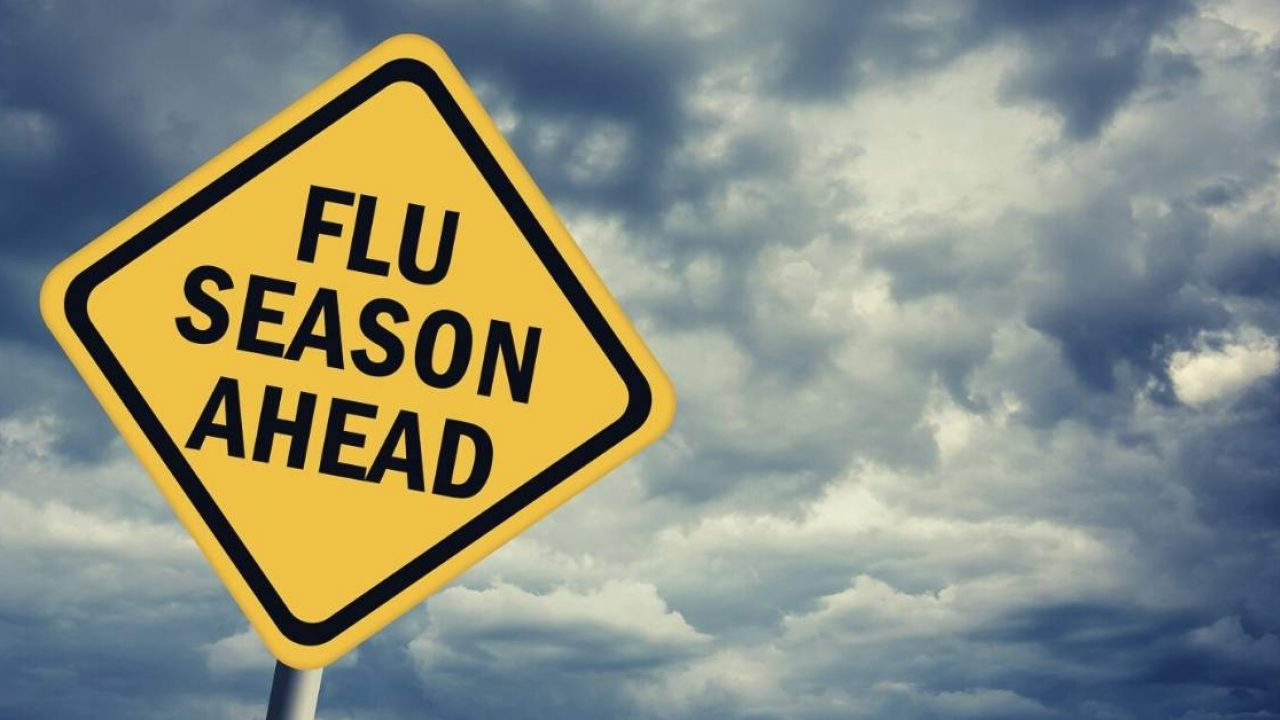
Discover essential vaccination and prevention tips for tackling the UK flu season. Stay protected, boost immunity, and ensure good health with these expert insights.
Every year, the UK flu season poses a significant health challenge, especially during the colder months. Influenza, or flu, is not just a seasonal annoyance—it can lead to severe health complications, particularly for high-risk groups like the elderly, children, and individuals with pre-existing conditions. This blog explores the importance of flu vaccination, effective prevention strategies, and expert tips to stay healthy this flu season.
Understanding the UK Flu Season
The flu season in the UK typically peaks between December and February, coinciding with winter. Flu viruses spread through respiratory droplets from coughs, sneezes, or even talking. They thrive in colder climates when people are more likely to gather indoors, increasing transmission rates.
Key facts about the UK flu season:
- High-Risk Groups: Individuals over 65, pregnant women, young children, and people with chronic health conditions are at greater risk.
- Complications: Severe cases can lead to pneumonia, bronchitis, and even death.
- Healthcare Strain: The flu season often puts immense pressure on the NHS, emphasizing the need for widespread vaccination and prevention.
Why Flu Vaccination Matters
Flu vaccination is the most effective way to reduce your risk of catching the flu and prevent its spread to vulnerable populations.
Benefits of Getting Vaccinated
- Reduced Risk of Infection: Vaccination significantly lowers your chance of contracting the flu.
- Protection for Vulnerable Groups: Immunization helps create herd immunity, protecting those who cannot be vaccinated.
- Milder Symptoms: If you do catch the flu, symptoms are often less severe if you’re vaccinated.
- Prevents Healthcare Overload: Reducing flu cases helps ease the burden on hospitals and clinics during the winter months.
Free Flu Vaccination Eligibility
In the UK, certain groups are eligible for free flu vaccines via the NHS:
- Adults aged 65 and over
- Pregnant women
- Individuals with long-term health conditions (e.g., asthma, diabetes, or cardiovascular disease)
- Children aged 2 to 11
For more information on accessing NHS services, read our guide: How to Register with a GP in the UK: A Complete Guide for New Patients.
Prevention Tips Beyond Vaccination
While vaccination is vital, adopting a holistic approach to health can further reduce your flu risk.
1. Practice Good Hygiene
- Wash Hands Regularly: Use soap and warm water for at least 20 seconds.
- Use Hand Sanitizer: Especially when soap isn’t available.
- Avoid Touching Your Face: This prevents the virus from entering through your mouth, nose, or eyes.
2. Maintain a Healthy Diet
A balanced diet can strengthen your immune system. Focus on:
- Vitamin C: Found in oranges, strawberries, and broccoli.
- Zinc: Available in nuts, seeds, and whole grains.
- Probiotics: Enhance gut health, which is linked to immunity. Check out: The Powerful Connection Between Gut Health and Mental Well-Being.
3. Stay Active
Engage in moderate physical activity, such as brisk walking or yoga. Exercise improves circulation, helping your body fend off infections.
4. Get Adequate Sleep
Aim for 7-9 hours of sleep each night to allow your immune system to repair and recharge.
Managing Flu Symptoms at Home
If you do catch the flu, here are some home remedies to ease symptoms:
- Hydrate: Drink plenty of water, herbal teas, or clear broths to prevent dehydration.
- Rest: Give your body time to recover.
- Over-the-Counter Medications: Use paracetamol or ibuprofen to relieve fever and aches.
Note: If symptoms persist or worsen, seek medical advice immediately. Severe cases can lead to complications, particularly for vulnerable groups.
The Role of Public Health Campaigns
Public awareness campaigns are critical in encouraging vaccination and promoting flu prevention strategies. The NHS regularly runs campaigns, reminding people of the importance of flu shots, particularly for high-risk groups.
Explore how public campaigns address health issues in the UK in our article: Cancer Awareness Campaigns in the UK: Vital Facts and Insights.
Flu Vaccination and COVID-19
With the ongoing presence of COVID-19, it’s more important than ever to protect yourself against the flu. The two viruses can circulate simultaneously, potentially overwhelming healthcare systems. Vaccinating against the flu reduces the likelihood of dual infections.
Flu Prevention in Children
Children are highly susceptible to flu due to their developing immune systems. The NHS offers a nasal spray flu vaccine for children aged 2 to 11, which is painless and highly effective.
Supporting Your Mental Health During Flu Season
Illness and isolation during the flu season can take a toll on mental health. If you’re struggling, explore free resources: Free Mental Health Resources in the UK.
Stay Healthy This Flu Season
The UK flu season can be challenging, but with the right precautions, you can protect yourself and those around you. Vaccination, good hygiene, and a healthy lifestyle are your best defense. Take proactive steps to stay healthy, and encourage those around you to do the same.
Remember, protecting your health is not just about avoiding illness; it’s about ensuring your overall well-being during the winter months.
Stay informed. Stay healthy. Stay safe.